The Invisible Revolution: How Smart Orthopedic Implants and AI Are Redefining Mobility and Recovery
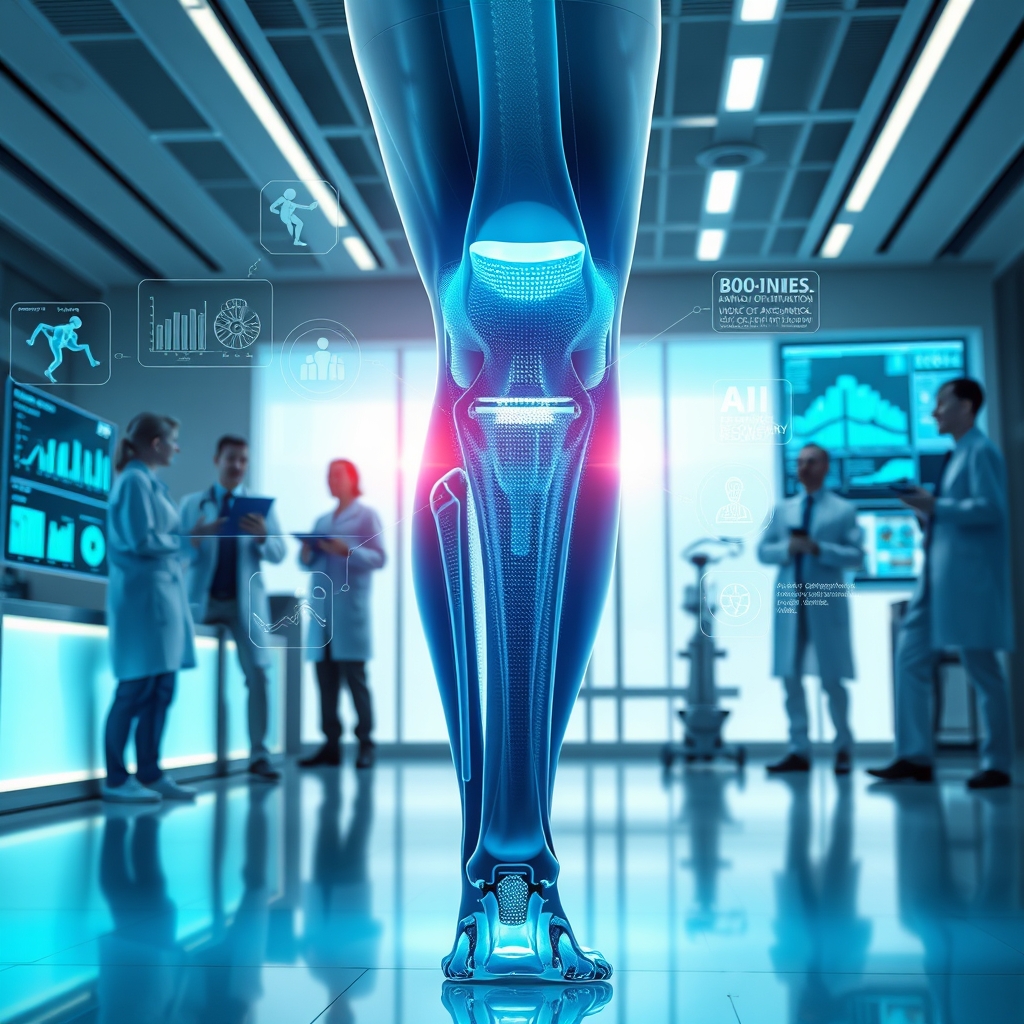
In the ever-evolving landscape of medical technology, few advancements have been as quietly transformative as the integration of artificial intelligence with smart orthopedic implants. These innovations are not just enhancing the way we approach joint replacements and skeletal repairs—they are redefining what it means to recover, adapt, and thrive after injury or degenerative disease. By embedding sensors, connectivity, and machine learning into the very structures that support our bodies, healthcare is stepping into an era where mobility is not just restored but optimized in real time.
The Anatomy of a Smart Implant
Traditional orthopedic implants, such as knee or hip replacements, have long been celebrated for their ability to restore function and alleviate pain. However, they operate on a static principle: once implanted, their performance is largely left to the body’s natural healing processes, with limited feedback for clinicians. Smart orthopedic implants change this paradigm by incorporating microelectronics and biosensors directly into the implant or its surrounding components. These sensors can monitor a range of critical metrics, including load distribution, temperature, pH levels, and even early signs of infection or loosening.
For instance, a smart knee implant might include strain gauges that measure how weight is distributed across the joint during movement. This data is then transmitted wirelessly to a clinician’s dashboard or a patient’s mobile app, providing real-time insights into recovery progress. If the implant detects abnormal stress patterns—such as uneven weight distribution due to muscle weakness or improper gait—it can alert both the patient and their healthcare provider, enabling timely interventions before complications arise.
AI as the Brain Behind the Brawn
The true power of smart orthopedic implants lies in their ability to leverage artificial intelligence. AI algorithms, trained on vast datasets of patient movements, recovery trajectories, and implant performance, can predict potential issues before they become problematic. For example, machine learning models can analyze patterns in a patient’s gait or joint stress over time and compare them to thousands of similar cases. If the system detects deviations that historically correlate with implant failure or delayed recovery, it can recommend preemptive measures, such as physical therapy adjustments or even surgical revisions.
Beyond predictive analytics, AI also plays a crucial role in personalizing rehabilitation. Traditional rehab protocols often follow a one-size-fits-all approach, but smart implants enable a dynamic, data-driven strategy. AI can tailor exercise regimens based on real-time feedback from the implant, ensuring that patients are neither over- nor under-exerting themselves. This level of precision not only accelerates recovery but also reduces the risk of reinjury, a common setback in orthopedic rehabilitation.
The Internet of Medical Things: A Connected Ecosystem
Smart orthopedic implants are not standalone devices; they are part of a broader ecosystem known as the Internet of Medical Things (IoMT). This network connects implants, wearable devices, electronic health records, and clinician portals into a seamless flow of information. For example, a patient with a smart hip implant might also wear a biosensor patch that tracks muscle activity and inflammation levels. The data from both devices can be aggregated and analyzed by AI to provide a holistic view of the patient’s recovery.
This connectivity also extends to remote patient monitoring, allowing clinicians to track progress without requiring frequent in-person visits. For patients in rural or underserved areas, this can be a game-changer, reducing the burden of travel and enabling continuous care. Moreover, IoMT facilitates early intervention by flagging anomalies that might otherwise go unnoticed until a scheduled follow-up. A sudden spike in joint temperature, for instance, could indicate an infection, prompting an immediate telehealth consultation or a visit to the nearest clinic.
Beyond Recovery: Lifelong Mobility Management
The benefits of smart orthopedic implants extend far beyond the initial recovery period. For patients with chronic conditions like osteoarthritis or those at risk of implant wear over time, these devices offer lifelong monitoring and support. AI-driven analytics can predict when an implant is nearing the end of its functional life, allowing for proactive replacement before failure occurs. This not only prevents emergency surgeries but also gives patients greater control over their long-term health.
Additionally, smart implants are paving the way for advancements in digital therapeutics. Imagine a future where a patient’s implant not only monitors their joint health but also delivers targeted electrical stimulation to strengthen surrounding muscles or reduce pain. Such innovations could reduce reliance on medications and invasive procedures, shifting the focus toward preventive and non-pharmacological interventions.
Challenges and Ethical Considerations
Despite their promise, smart orthopedic implants are not without challenges. Data privacy and security are paramount concerns, as these devices collect and transmit sensitive health information. Ensuring robust encryption and compliance with regulations like HIPAA is essential to protecting patient confidentiality. Moreover, the integration of AI into medical decision-making raises questions about accountability. If an AI system recommends a course of action that leads to an adverse outcome, who bears the responsibility—the clinician, the developer, or the algorithm itself?
There are also practical hurdles to overcome, such as the need for standardized protocols for data collection and analysis. With multiple manufacturers developing smart implants, interoperability between devices and systems is critical to realizing the full potential of IoMT. Additionally, the cost of these advanced implants may limit accessibility, particularly in low-resource settings. Addressing these challenges will require collaboration between healthcare providers, technology developers, policymakers, and patients.
The Human Element: Empowering Patients
At its core, the rise of smart orthopedic implants is about more than technology—it’s about empowering patients to take an active role in their health. By providing real-time feedback and personalized insights, these devices shift the dynamic from passive recovery to engaged self-management. Patients are no longer left wondering how their body is healing; they have the data and tools to understand their progress and make informed decisions.
For example, a runner recovering from a knee replacement can use data from their smart implant to adjust their training regimen, ensuring they don’t push too hard too soon. Similarly, an elderly patient with a hip implant can monitor their activity levels and receive reminders to stay mobile, reducing the risk of complications like blood clots or muscle atrophy. This level of engagement fosters a sense of ownership over one’s health, which is a powerful motivator in the recovery process.
As smart orthopedic implants continue to evolve, they are not just changing the mechanics of mobility—they are reshaping the relationship between patients and their bodies. By blending cutting-edge technology with the timeless goal of restoring function and independence, these innovations are turning the dream of lifelong mobility into a tangible reality. The journey from injury to recovery is no longer a path walked in the dark, but one illuminated by data, guided by intelligence, and driven by the relentless pursuit of better health.