The Future of Wellness: How Digital Health and Personalized Nutrition Are Redefining Preventive Care
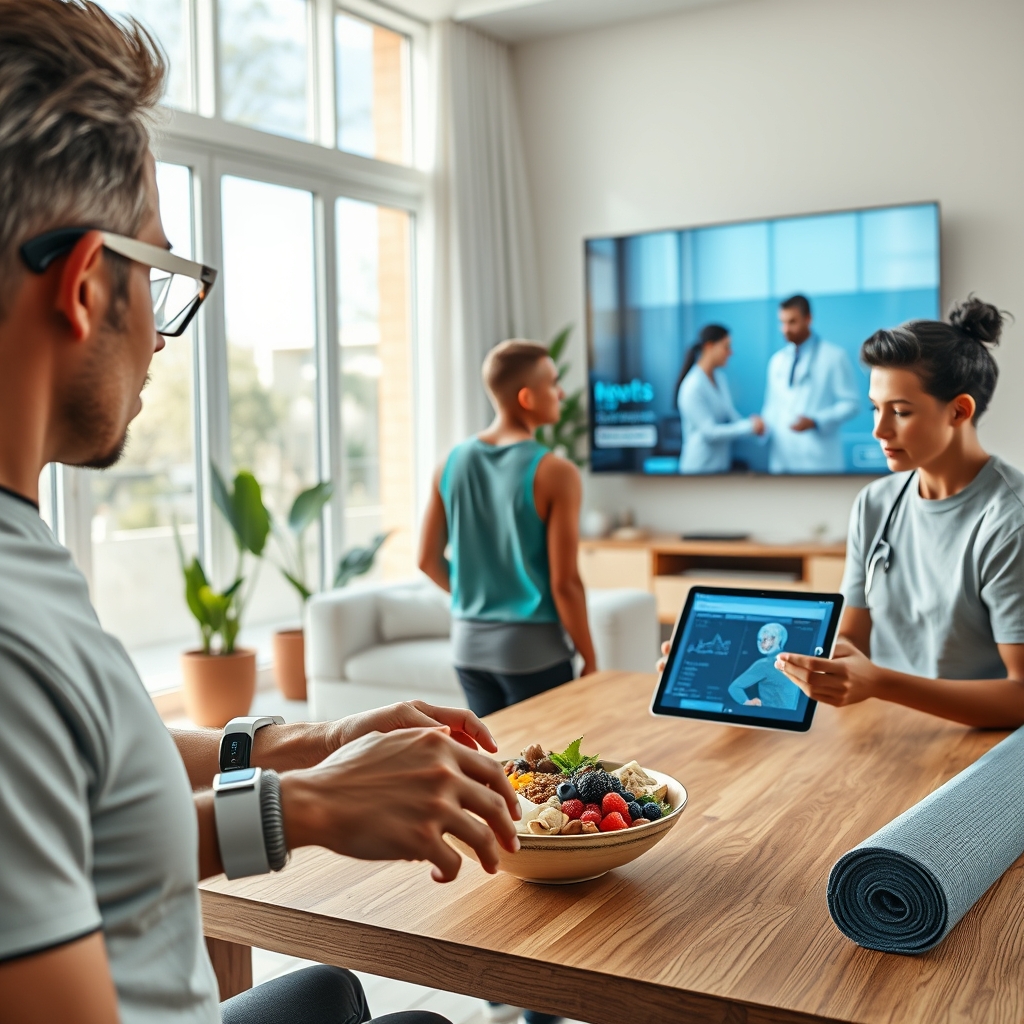
The intersection of technology and health has given rise to a new era of preventive care, where data-driven insights and personalized interventions are transforming how we approach wellness. No longer confined to reactive treatments, modern health strategies leverage innovations like digital mental health, wearable fitness trackers, and functional foods to empower individuals to take control of their well-being before issues arise. This shift is not just about extending lifespans but enhancing the quality of life through proactive, tailored solutions.
The Rise of Agentic Health Technology
At the forefront of this revolution is agentic health technology, a term describing systems that act autonomously to support health goals. Unlike traditional tools that passively collect data, agentic technologies analyze patterns, predict risks, and even suggest real-time adjustments. For example, smart fitness equipment like connected treadmills or AI-powered resistance trainers adjust workouts based on biometric feedback, ensuring optimal performance while minimizing injury risks. Similarly, health informatics platforms aggregate data from wearables, electronic health records, and genetic testing to provide hyper-personalized recommendations for metabolic health or cardiovascular wellness.
These advancements are particularly impactful in digital mental health, where AI-driven chatbots and virtual therapists offer 24/7 support for stress, anxiety, and depression. By integrating cognitive behavioral therapy (CBT) techniques with machine learning, these tools adapt to users’ emotional states, delivering interventions precisely when needed. The result? A scalable, stigma-free solution that complements traditional therapy and makes mental health care accessible to millions.
Personalized Medicine and the Gut-Brain Connection
While technology plays a pivotal role, the biological foundations of health are equally critical. Personalized medicine is moving beyond one-size-fits-all approaches, with breakthroughs in gut microbiome research leading the charge. Scientists now understand that the trillions of microbes residing in our digestive tract influence everything from immunity to mood regulation. This has sparked a surge in functional foods—ingredients like probiotics, prebiotics, and polyphenol-rich plants designed to nourish specific microbial communities.
For instance, studies show that individuals with metabolic disorders may benefit from diets tailored to their gut bacteria composition, improving glucose optimization and reducing inflammation. Similarly, plant-based nutrition is gaining traction not just for its environmental benefits but for its ability to support microbial diversity, which is linked to lower risks of chronic diseases. The synergy between personalized nutrition and microbiome science is paving the way for a future where food truly becomes medicine.
The Role of Wearables in Metabolic and Cardiovascular Health
Wearable fitness trackers have evolved from simple step counters to sophisticated health monitors capable of tracking heart rate variability, sleep stages, and even blood oxygen levels. These devices are invaluable for preventive care, offering early warnings for conditions like atrial fibrillation or insulin resistance. When paired with telemedicine platforms, wearables enable continuous remote monitoring, allowing healthcare providers to intervene before minor issues escalate into serious problems.
For those focused on cardiovascular wellness, wearables can guide low-impact workouts like yoga or swimming, which improve heart health without straining joints. Meanwhile, individuals managing diabetes or prediabetes can use glucose monitors to fine-tune their diets and exercise routines, achieving better glucose optimization through real-time feedback. The data collected by these devices also fuels connected health ecosystems, where insights from multiple sources—such as nutrition apps and sleep trackers—are synthesized to create a holistic view of well-being.
Mind-Body Practices and the Digital Wellness Movement
Amid the tech-driven health revolution, mind-body practices like meditation, breathwork, and tai chi remain cornerstones of holistic wellness. What’s changing is how these practices are being integrated into digital platforms. Apps like Headspace and Calm use biofeedback from wearables to recommend mindfulness exercises based on stress levels, while virtual reality (VR) experiences transport users to serene environments for guided relaxation. This fusion of ancient wisdom and modern technology is making mind-body practices more accessible and effective than ever.
Moreover, the concept of digital wellness is gaining traction as people seek balance in an increasingly screen-dominated world. Strategies like the 20-20-20 rule (looking at something 20 feet away for 20 seconds every 20 minutes) or blue-light-blocking glasses are becoming mainstream, reflecting a growing awareness of how digital habits impact mental and physical health. Even micro workouts—short bursts of activity like desk stretches or stair climbing—are being promoted as antidotes to sedentary lifestyles, proving that small changes can yield significant benefits.
Immune Support and the Power of Preventive Lifestyles
The COVID-19 pandemic underscored the importance of immune support, but the conversation has since expanded beyond vaccines and supplements. Today, preventive care emphasizes lifestyle factors like sleep, stress management, and nutrition as the foundation of a resilient immune system. Functional foods rich in vitamin D, zinc, and antioxidants are being studied for their ability to enhance immune function, while telemedicine platforms offer virtual consultations to help individuals optimize their health regimens.
This proactive approach is also evident in the growing popularity of low-impact workouts like Pilates and barre, which strengthen the body without compromising joint health. These exercises are particularly beneficial for older adults or those recovering from injuries, demonstrating that fitness is not one-size-fits-all. By combining movement, nutrition, and stress reduction, individuals can create a robust defense against illness while improving their overall quality of life.
As we navigate this evolving landscape, the most exciting aspect of modern wellness is its democratization. No longer the domain of elite athletes or the wealthy, tools like wearables, telemedicine, and personalized nutrition are becoming accessible to people from all walks of life. The key to success lies in embracing these innovations not as quick fixes but as long-term partners in health. By leveraging data, technology, and ancient wisdom, we can build a future where preventive care is not just a concept but a lived reality, empowering each of us to thrive in body, mind, and spirit.