The Future of Healthcare: How Agentic Medical Technology is Redefining Patient Care
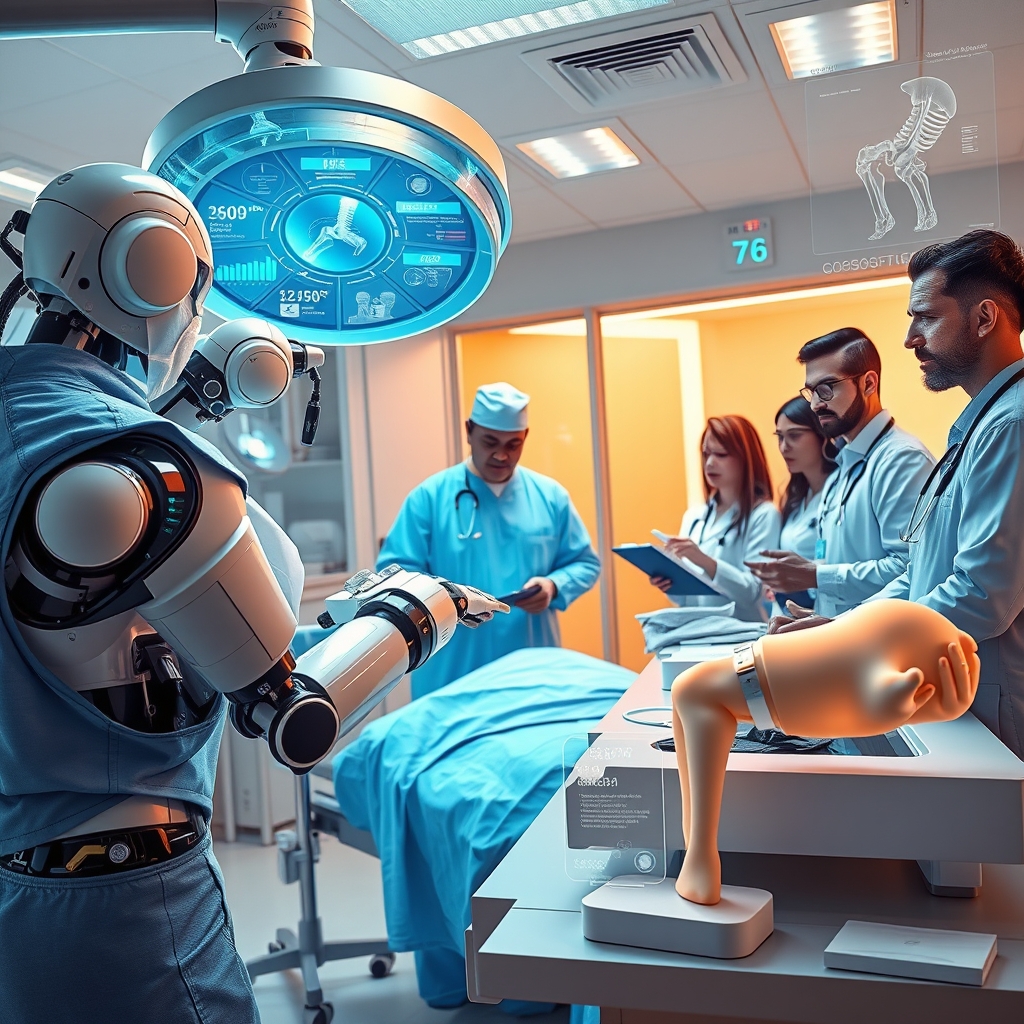
The intersection of technology and healthcare has given rise to a new era of medical innovation, one where intelligence, automation, and connectivity converge to create systems that are not just tools, but active participants in patient care. Agentic medical technology—systems that can perceive, decide, and act with minimal human intervention—is transforming how diagnoses are made, treatments are administered, and patient outcomes are monitored. From robotic-assisted surgeries to predictive health analytics, these advancements are not merely incremental improvements; they represent a fundamental shift in the way healthcare is delivered.
The Rise of Robotic-Assisted Surgery
Robotic-assisted surgery has emerged as one of the most visible and impactful applications of agentic medical technology. Systems like the da Vinci Surgical System allow surgeons to perform complex procedures with enhanced precision, flexibility, and control. These robots are not autonomous in the traditional sense—they do not replace surgeons but augment their capabilities. By translating the surgeon’s hand movements into smaller, more precise actions of tiny instruments inside the patient’s body, these systems reduce the risk of human error, minimize invasiveness, and shorten recovery times.
The integration of artificial intelligence (AI) into robotic surgery is taking this technology even further. AI algorithms can analyze real-time data from the surgical field, providing surgeons with predictive insights, such as identifying potential complications before they arise or suggesting optimal instrument paths. This symbiotic relationship between human expertise and machine intelligence is paving the way for safer, more efficient surgeries, even in the most delicate and high-stakes procedures.
Remote Patient Monitoring: Bridging the Gap Between Clinic and Home
The concept of healthcare is no longer confined to the four walls of a hospital or clinic. Remote patient monitoring (RPM) devices, a cornerstone of the Internet of Medical Things (IoMT), are enabling continuous, real-time tracking of patient health outside traditional care settings. Wearable biosensor patches, smart cardiac implants, and continuous glucose monitors are just a few examples of how RPM is revolutionizing chronic disease management and post-operative care.
These devices collect a wealth of physiological data—heart rate, blood glucose levels, oxygen saturation, and more—and transmit it to healthcare providers for analysis. AI-driven platforms can then detect anomalies, predict exacerbations, and alert clinicians to intervene before a condition worsens. For patients with chronic illnesses like diabetes or heart disease, RPM offers the promise of better disease control, reduced hospital readmissions, and an improved quality of life. The shift from reactive to proactive care is one of the most significant benefits of agentic medical technology.
The Role of Wearable Biosensor Patches
Wearable biosensor patches represent a leap forward in non-invasive, continuous health monitoring. Unlike traditional wearables like fitness trackers, these patches are designed to adhere to the skin and measure a wide range of biomarkers, from electrolytes to lactate levels. Some advanced patches can even monitor hydration status, muscle activity, and stress levels, providing a comprehensive picture of a patient’s health in real time.
The data collected by these patches is invaluable for both patients and clinicians. For athletes, they can optimize performance and prevent injuries. For patients recovering from surgery, they can track healing progress and detect early signs of infection. In elderly care, they can monitor for falls or sudden changes in vital signs, enabling timely interventions. As these devices become more sophisticated and affordable, they have the potential to become a standard part of personal health management.
Smart Implants: The Next Frontier in Personalized Medicine
Smart orthopedic implants and cardiac implants are redefining what it means to live with a medical device. These implants are embedded with sensors and microprocessors that monitor their performance and the patient’s health, providing data that can be used to tailor treatments to individual needs. For example, a smart knee implant can track joint movement, detect wear and tear, and even predict when a replacement might be needed. Similarly, smart cardiac implants can monitor heart rhythm, adjust pacing in real time, and alert patients and doctors to potential issues before they become life-threatening.
The integration of AI into these implants takes personalization a step further. Machine learning algorithms can analyze data from thousands of patients to identify patterns and predict outcomes, allowing for more precise and effective treatments. This level of customization was unimaginable just a decade ago, but it is rapidly becoming the new standard in implantable medical technology.
Predictive Health Analytics: Anticipating the Future of Care
Predictive health analytics is another area where agentic medical technology is making a profound impact. By leveraging vast amounts of patient data—from electronic health records to genetic information—AI algorithms can identify individuals at high risk for certain conditions, predict disease progression, and recommend personalized prevention strategies. For example, predictive models can flag patients at risk of developing sepsis in a hospital setting, allowing clinicians to intervene before the condition becomes critical.
In population health management, predictive analytics can help healthcare systems allocate resources more efficiently, reducing costs and improving outcomes. By identifying trends and risk factors at a community level, public health officials can design targeted interventions to address issues like obesity, diabetes, or opioid addiction. The ability to anticipate health needs rather than simply react to them is a game-changer for both individual and public health.
The Promise and Challenges of Agentic Medical Technology
While the potential of agentic medical technology is immense, its adoption is not without challenges. Data privacy and security are paramount concerns, as the vast amounts of sensitive health information collected by these devices must be protected from breaches and misuse. Regulatory frameworks must evolve to keep pace with technological advancements, ensuring that new devices are both safe and effective. Additionally, there is the challenge of integrating these technologies into existing healthcare systems, which often operate with outdated infrastructure and workflows.
Despite these hurdles, the benefits of agentic medical technology far outweigh the challenges. By automating routine tasks, enhancing diagnostic accuracy, and enabling personalized care, these systems are not just improving patient outcomes—they are redefining what is possible in medicine. As technology continues to advance, the line between human and machine in healthcare will blur even further, creating a future where care is not just reactive or proactive, but truly intelligent. The journey has only just begun, and the possibilities are as limitless as the imagination of those who dare to innovate.