The Blueprint for Lifelong Stamina: How Personalized Training and Optimized Recovery Protocols Build Resilient Athletes
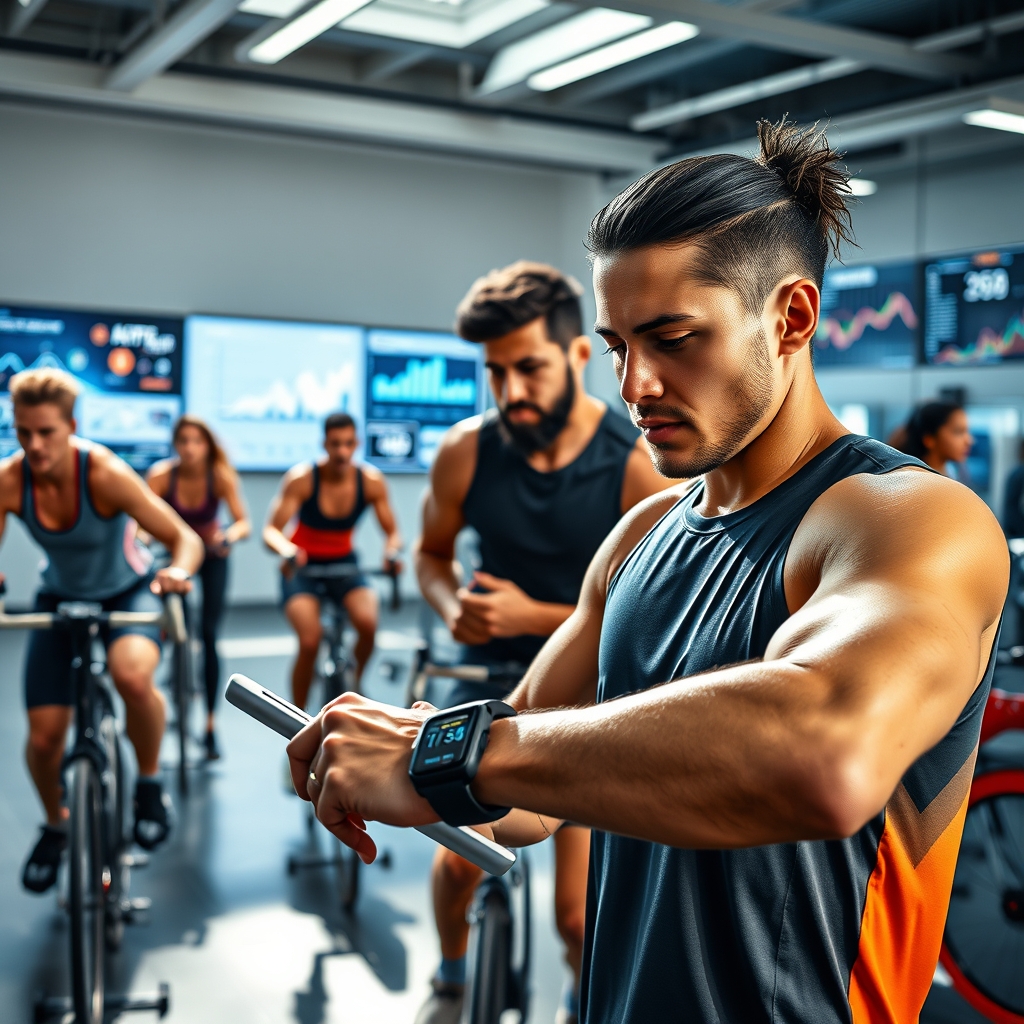
Stamina is not just about pushing harder—it’s about training smarter. The modern athlete understands that endurance is a dynamic interplay of physical conditioning, recovery, and mental resilience. Gone are the days of one-size-fits-all training regimens. Today, the most effective stamina-building strategies are rooted in personalized stamina training, data-driven performance tracking, and optimized recovery protocols, all working in harmony to create a sustainable, high-performance lifestyle.
The Science of Personalized Stamina Training
Every athlete’s body responds differently to stress, intensity, and recovery. What works for a marathon runner may not suit a cyclist or a soccer player. Personalized stamina training leverages individual biomechanics, genetic predispositions, and real-time physiological data to craft programs that maximize efficiency while minimizing injury risk. Wearable tech, such as heart rate monitors and GPS-enabled trackers, provides real-time activity feedback, allowing coaches and athletes to adjust training loads dynamically.
This approach goes beyond generic workout plans. By analyzing metrics like VO2 max, lactate threshold, and recovery rates, training becomes a precise science—one that evolves with the athlete’s progress. The result? A tailored fitness journey that adapts to strengths, weaknesses, and long-term goals, ensuring that every session contributes to sustainable growth.
Data-Driven Performance Tracking: The Game Changer
In the past, endurance training relied heavily on intuition and subjective feedback. Today, data-driven performance tracking has revolutionized how athletes measure progress. Advanced analytics platforms aggregate data from wearables, training logs, and even sleep patterns to provide a holistic view of an athlete’s readiness and performance.
For example, tracking resting heart rate variability (HRV) can signal when an athlete is overtraining or under-recovered. Similarly, analyzing running economy or cycling power output helps fine-tune pacing strategies for race day. This level of insight allows for progressive load training, where workouts are systematically adjusted to prevent plateaus and reduce injury risk. The data doesn’t lie—it reveals patterns, highlights inefficiencies, and unlocks hidden potential.
The Role of Wearable Tech in Modern Training
Wearable technology has become the backbone of adaptive physical conditioning. Devices like smartwatches, chest straps, and even smart fabrics monitor everything from heart rate to muscle oxygenation in real time. This constant stream of data enables athletes to train with precision, ensuring that every effort is optimized for maximum benefit.
But wearables do more than just track— they predict. Machine learning algorithms can forecast fatigue, recommend recovery windows, and even suggest adjustments to nutrition and hydration strategies. For athletes committed to sustainable energy management, this technology is a game-changer, allowing them to push limits without crossing into overtraining territory.
Optimized Recovery: The Unsung Hero of Stamina
Endurance isn’t built during workouts—it’s built during recovery. Optimized recovery protocols are the cornerstone of long-term stamina development. Without proper rest, the body cannot adapt, repair, or grow stronger. Yet recovery is often overlooked in favor of more training. The truth is, recovery is where the magic happens.
Modern recovery strategies go beyond passive rest. Techniques like cryotherapy, compression therapy, and targeted mobility work accelerate muscle repair and reduce inflammation. Meanwhile, performance nutrition strategies ensure that the body is fueled with the right nutrients at the right times—whether it’s post-workout protein for muscle synthesis or electrolytes for hydration balance.
Sleep, too, plays a critical role. Deep, restorative sleep enhances cognitive function, regulates hormones, and consolidates muscle memory. Athletes who prioritize sleep as part of their holistic endurance development gain a competitive edge, recovering faster and performing better under pressure.
Integrated Wellness Coaching: The Human-Centric Approach
Stamina isn’t just physical—it’s mental, emotional, and even spiritual. Integrated wellness coaching takes a human-centric approach to endurance, addressing the whole athlete, not just their physical output. This means incorporating stress management techniques, mindfulness practices, and behavioral strategies to build resilience beyond the gym.
For example, cognitive endurance enhancement trains athletes to maintain focus and composure under fatigue, a skill that’s just as valuable in competition as it is in daily life. Meanwhile, behavioral fitness change helps athletes develop habits that support long-term success, such as consistent sleep routines, mindful eating, and stress reduction techniques.
This holistic approach ensures that stamina isn’t just about enduring pain—it’s about thriving in all aspects of life. When athletes feel supported, understood, and empowered, they’re more likely to stick with their training and achieve their goals.
Collaborative Fitness Planning: The Power of Community
Even the most disciplined athletes benefit from collaboration. Collaborative fitness planning brings together coaches, nutritionists, physiotherapists, and even fellow athletes to create a support system that fosters growth. This team-based approach ensures that training is balanced, recovery is prioritized, and motivation remains high.
Group training sessions, virtual accountability partners, and online communities provide the social reinforcement needed to stay committed. When athletes feel part of something bigger than themselves, they’re more likely to push through challenges and celebrate victories together. This sense of belonging is a powerful motivator, turning individual goals into shared achievements.
Stamina is no longer just about how far or how fast you can go—it’s about how intelligently you train, how strategically you recover, and how holistically you approach your well-being. The future of endurance lies in personalized, data-driven, and human-centric training methods that respect the body’s limits while pushing its potential. By embracing adaptive conditioning, optimized recovery, and integrated wellness, athletes can build stamina that lasts a lifetime—not just for the next race, but for the journey ahead. The blueprint for lifelong endurance is here, and it’s more accessible than ever. All it takes is the willingness to train smarter, recover better, and live stronger.