The Next Evolution in Stamina: How Adaptive Conditioning and Wearable Tech Create Smarter, More Resilient Athletes
In the ever-evolving landscape of fitness and endurance training, the one-size-fits-all approach is rapidly becoming a relic of the past. Today’s athletes—whether professional, amateur, or weekend warriors—are turning to adaptive physical conditioning and wearable tech monitoring to unlock levels of performance once thought unattainable. This shift isn’t just about working harder; it’s about working smarter, leveraging real-time data, and tailoring every aspect of training to the individual’s unique physiology and goals.
The Rise of Adaptive Physical Conditioning
Adaptive physical conditioning represents a paradigm shift in how we approach stamina building. Unlike traditional training programs that follow rigid, pre-set schedules, adaptive conditioning dynamically adjusts based on an athlete’s progress, recovery, and even external factors like stress or sleep quality. This method is rooted in evidence-based stamina building, where every workout, rest day, and nutrition plan is informed by data rather than guesswork.
At the heart of this approach is the concept of progressive load training. Instead of pushing an athlete to their limits every session, adaptive conditioning gradually increases intensity in a way that minimizes injury risk while maximizing gains. For example, a runner might start with shorter distances at a moderate pace, but as their body adapts, the program introduces intervals, hill sprints, or longer endurance runs—all while monitoring heart rate variability, muscle fatigue, and other biomarkers to ensure the body isn’t being overtaxed.
How Wearable Tech is Changing the Game
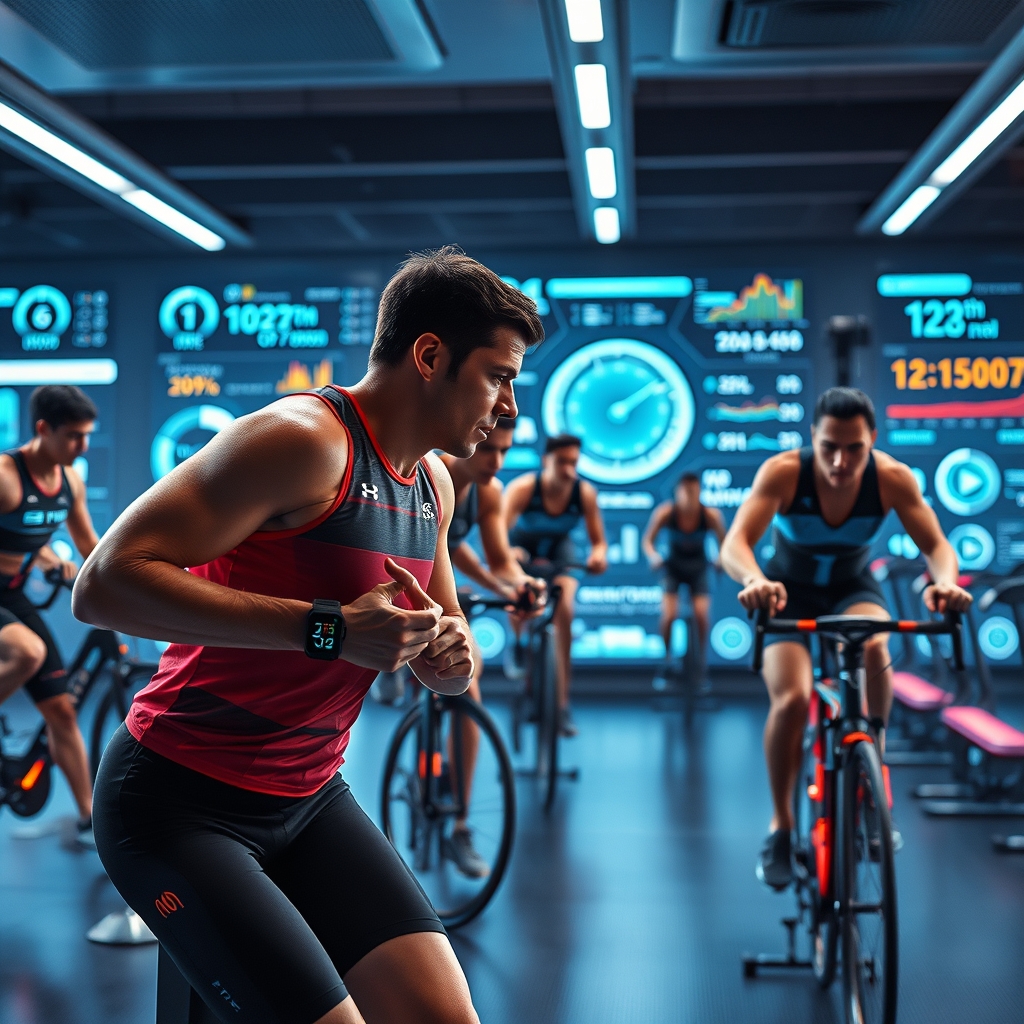
Wearable technology has become the cornerstone of modern stamina training, providing real-time activity feedback that was once only available in high-end sports labs. Devices like smartwatches, heart rate monitors, and even smart fabrics embedded with sensors track everything from steps taken and calories burned to more nuanced metrics like VO2 max, lactate threshold, and recovery time. This data isn’t just for show—it’s actionable intelligence that coaches and athletes use to fine-tune their training.
For instance, a cyclist using a power meter can see exactly how much energy they’re expending during a ride and adjust their effort to avoid burnout. Similarly, a swimmer wearing a waterproof heart rate monitor can track their cardiovascular response to different strokes and intensities, allowing them to optimize their technique and endurance. The beauty of wearable tech lies in its ability to provide personalized stamina training at scale, making high-level performance insights accessible to anyone with a device and a goal.
The Role of Holistic Endurance Development
Stamina isn’t just about physical endurance; it’s a multifaceted attribute that encompasses mental resilience, nutritional balance, and recovery strategies. Holistic endurance development recognizes that true performance gains come from addressing all these elements in tandem. This is where integrated wellness coaching comes into play, offering a 360-degree approach to training that goes beyond the gym or track.
A holistic program might include mindfulness exercises to improve cognitive endurance enhancement, ensuring that an athlete can maintain focus and mental clarity during long or high-pressure events. It could also involve performance nutrition strategies tailored to the individual’s metabolic needs, ensuring they have the right fuel for both training and recovery. Sleep optimization, stress management, and even social support systems are all part of the equation, creating a sustainable framework for long-term success.
Optimized Recovery: The Unsung Hero of Stamina
One of the most overlooked aspects of stamina training is recovery. Many athletes fall into the trap of believing that more training equals better results, but without adequate recovery, the body never gets the chance to adapt and grow stronger. Optimized recovery protocols are designed to strike the perfect balance between exertion and rest, using data to determine when an athlete is ready to push harder or when they need to dial it back.
Techniques like cryotherapy, compression therapy, and even AI-driven sleep analysis are becoming mainstream tools for athletes looking to maximize their recovery. For example, a runner might use a sleep tracker to identify patterns of poor rest and adjust their bedtime routine accordingly. Similarly, a weightlifter could use a recovery app to monitor muscle soreness and receive personalized recommendations for active recovery exercises or mobility work. By treating recovery as an integral part of training, athletes can avoid burnout and sustain high performance over the long term.
Collaborative Fitness Planning: The Human Touch in a Data-Driven World
While data and technology play a crucial role in modern stamina training, the human element remains irreplaceable. Collaborative fitness planning brings together coaches, nutritionists, sports psychologists, and athletes to create a cohesive, human-centric approach to performance. This method ensures that training programs are not only data-driven but also aligned with the athlete’s personal motivations, lifestyle, and long-term aspirations.
For example, a coach might work with an athlete to set realistic, incremental goals that build confidence and momentum. A nutritionist could design a meal plan that fits the athlete’s cultural preferences and dietary restrictions, making it easier to stick to. Meanwhile, a sports psychologist might help the athlete develop mental strategies to overcome performance anxiety or setbacks. This collaborative approach fosters a sense of ownership and accountability, making the fitness journey more engaging and sustainable.
Scalable Training Programs for Every Athlete
One of the biggest challenges in stamina training is creating programs that can grow and evolve with the athlete. Scalable training programs are designed to adapt to an individual’s changing needs, whether they’re a beginner looking to build a fitness habit or an elite athlete aiming for a personal best. These programs leverage behavioral fitness change principles to ensure that progress is consistent and sustainable, even as life circumstances shift.
A scalable program might start with foundational exercises to build strength and endurance, then gradually introduce more complex movements or higher intensities as the athlete’s fitness improves. It could also incorporate flexibility for life’s unpredictabilities, such as adjusting training volume during busy periods or modifying workouts to accommodate injuries. By focusing on long-term progress rather than short-term gains, scalable programs help athletes stay committed to their goals without feeling overwhelmed or discouraged.
As we look to the future of stamina training, it’s clear that the most successful athletes will be those who embrace a data-driven yet human-centric approach. By combining adaptive conditioning, wearable tech, holistic wellness, and collaborative planning, we can create training programs that are not only effective but also sustainable and deeply personal. The journey to peak performance is no longer a solitary grind—it’s a dynamic, evolving process that leverages the best of science, technology, and human connection to help athletes reach new heights. Whether you’re lacing up your running shoes for the first time or chasing a world record, the tools and strategies are now within reach to make your stamina journey smarter, stronger, and more resilient than ever before.