The Power of Progressive Load Training: Crafting Tailored Fitness Journeys for Lasting Stamina
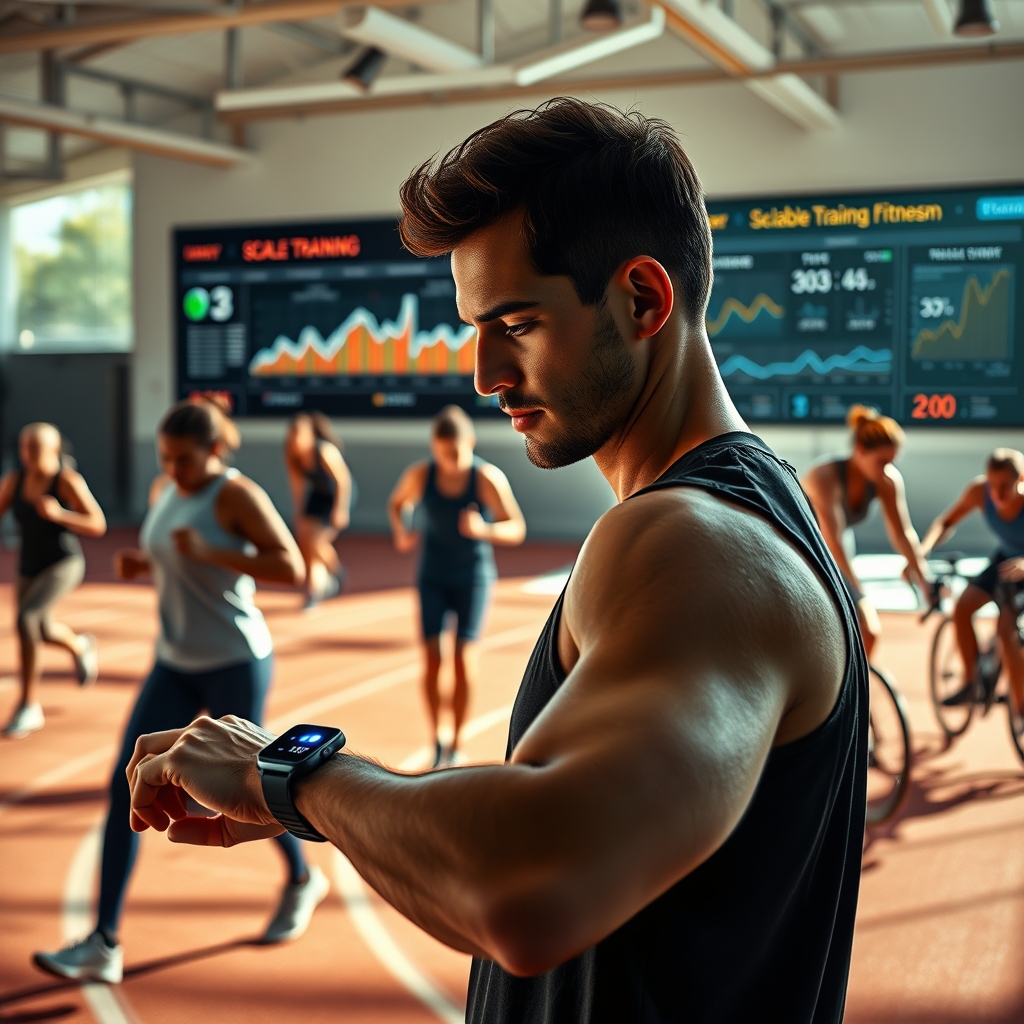
In the ever-evolving landscape of fitness, the pursuit of stamina is no longer a one-size-fits-all endeavor. The modern athlete, whether amateur or professional, seeks not just to endure but to thrive—balancing intensity with sustainability, effort with recovery, and ambition with science. At the heart of this transformation lies progressive load training, a methodology that adapts to the individual, ensuring that every step forward is both challenging and achievable. When combined with data-driven performance tracking and holistic endurance development, it becomes a powerful tool for crafting tailored fitness journeys that stand the test of time.
The Science Behind Progressive Load Training
Progressive load training is rooted in the principle of gradual adaptation. The body responds to stress by becoming stronger, but only if that stress is applied in a controlled, incremental manner. Too little, and progress stalls; too much, and the risk of injury or burnout skyrockets. This delicate balance is where science meets strategy. By systematically increasing the volume, intensity, or complexity of workouts, athletes can push their limits without crossing into overtraining territory. Research in exercise physiology consistently shows that this approach not only enhances physical performance but also fosters long-term adherence to training programs.
What sets progressive load training apart is its human-centric design. Unlike rigid programs that demand the same output from every participant, this method acknowledges that each individual has unique thresholds for stress and recovery. For example, a runner might start with a base mileage and gradually increase it by 10% each week, while a weightlifter might add small increments of weight to their lifts over time. The key is personalization—adjusting the variables to match the athlete’s current capabilities and goals.
How Data Drives the Process
In the digital age, wearable tech monitoring has become an indispensable ally in progressive load training. Devices like smartwatches, heart rate monitors, and GPS trackers provide real-time activity feedback, allowing athletes and coaches to make informed decisions about when to push harder and when to pull back. Metrics such as heart rate variability (HRV), sleep quality, and recovery scores offer a window into the body’s readiness, ensuring that training loads are optimized for both performance and well-being.
For instance, if an athlete’s HRV drops significantly, it may signal that their body is under stress and needs more recovery time. Conversely, consistent improvements in pace or power output can indicate that it’s time to increase the load. This evidence-based stamina building approach removes the guesswork from training, replacing it with precision and purpose. It’s not just about working harder; it’s about working smarter, with every data point serving as a guidepost on the path to progress.
The Role of Holistic Endurance Development
Stamina is not built in isolation. It’s the sum of physical, mental, and emotional resilience, and holistic endurance development recognizes this interconnectedness. Progressive load training is just one piece of the puzzle; to truly excel, athletes must also focus on optimized recovery protocols, performance nutrition strategies, and cognitive endurance enhancement. Together, these elements create a foundation for sustainable energy management and long-term success.
Recovery, often overlooked in traditional training programs, is where the body repairs and strengthens itself. Techniques such as active recovery, sleep optimization, and targeted mobility work ensure that athletes can handle the demands of progressive loading without breaking down. Meanwhile, nutrition plays a critical role in fueling performance and aiding recovery. A diet rich in complex carbohydrates, lean proteins, and healthy fats provides the energy needed for intense workouts while supporting muscle repair and immune function.
Mental resilience is equally vital. Cognitive endurance enhancement involves training the mind to stay focused, motivated, and adaptable, even in the face of fatigue. Techniques like mindfulness, visualization, and goal-setting can help athletes push through plateaus and maintain consistency in their training. When the body and mind work in harmony, the results are transformative.
Collaborative Fitness Planning: The Human Touch
While data and technology provide invaluable insights, the human element remains irreplaceable in fitness. Collaborative fitness planning bridges the gap between science and personal experience, ensuring that training programs are not only effective but also enjoyable and meaningful. Coaches, trainers, and even peers play a crucial role in this process, offering support, accountability, and encouragement.
A well-designed training plan is a dialogue, not a monologue. It evolves based on feedback, both quantitative (like performance metrics) and qualitative (like how an athlete feels during and after workouts). For example, if an athlete consistently struggles with motivation during long runs, a coach might incorporate interval training or group sessions to make the workouts more engaging. This behavioral fitness change approach addresses the psychological barriers that can derail even the most well-structured programs.
Scalable Training Programs for Every Athlete
One of the greatest strengths of progressive load training is its scalability. Whether you’re a beginner taking your first steps toward fitness or an elite athlete chasing a new personal best, this methodology can be tailored to your level. Scalable training programs ensure that the principles of gradual adaptation apply universally, making them accessible to everyone.
For beginners, the focus might be on building a consistent routine and mastering fundamental movements. As they progress, the intensity and complexity of their workouts can increase, always in alignment with their growing capabilities. Advanced athletes, on the other hand, might use progressive loading to fine-tune their performance, targeting specific weaknesses or preparing for competitions. The beauty of this approach is that it grows with the athlete, providing a clear path forward at every stage of their journey.
Moreover, scalable programs foster a sense of accomplishment. Small, incremental victories—like running an extra mile or lifting a slightly heavier weight—build confidence and momentum. Over time, these victories compound, leading to significant improvements in stamina, strength, and overall fitness. It’s a testament to the power of patience and persistence, proving that lasting change is a marathon, not a sprint.
As the fitness landscape continues to evolve, the integration of science, technology, and human-centric design is redefining what it means to build stamina. Progressive load training, when paired with data-driven insights and holistic development, offers a roadmap to success that is as unique as the individual following it. It’s not about chasing quick fixes or temporary gains; it’s about creating a sustainable, enjoyable, and effective approach to fitness that stands the test of time. The journey may be challenging, but with the right tools and mindset, every step forward is a step toward a stronger, more resilient you.