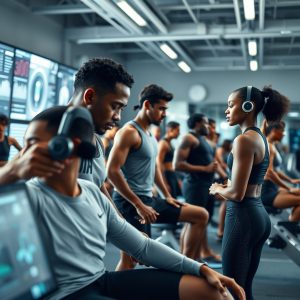
The Human-Centric Approach to Sustainable Stamina: How Integrated Wellness and Real-Time Feedback Are Revolutionizing Fitness

In the ever-evolving landscape of fitness, the pursuit of stamina has transcended the one-size-fits-all approach. Today, the most effective training methodologies are those that recognize the uniqueness of each individual—physically, mentally, and emotionally. The fusion of human-centric design, data-driven performance tracking, and holistic endurance development is not just a trend; it’s a paradigm shift that empowers athletes and everyday fitness enthusiasts alike to achieve sustainable, long-term results.
The Power of Personalization in Stamina Training
Gone are the days when generic workout plans dominated the fitness industry. The rise of personalized stamina training has ushered in an era where every aspect of a fitness journey is tailored to the individual. Whether it’s adjusting the intensity of a workout based on real-time heart rate data or customizing recovery protocols to align with an athlete’s sleep patterns, personalization is the cornerstone of modern endurance training.
This shift is largely driven by advancements in wearable tech monitoring, which provides unprecedented insights into an individual’s physiological responses. Devices like smartwatches, heart rate monitors, and even smart fabrics can track everything from oxygen saturation levels to muscle fatigue, allowing for adaptive physical conditioning that evolves with the user. The result? Training that is not only more effective but also more sustainable, reducing the risk of burnout and injury.
Data as the Backbone of Performance
The integration of data-driven performance tracking has transformed how we measure progress. No longer are athletes reliant on subjective feelings of fatigue or vague benchmarks. Instead, they can leverage hard data to make informed decisions about their training. For example, progressive load training—a method that gradually increases the intensity of workouts—can be fine-tuned using metrics like VO2 max, lactate threshold, and recovery time. This ensures that each session is optimized for growth without overtaxing the body.
Moreover, data isn’t just about numbers; it’s about storytelling. By analyzing trends over time, athletes can identify patterns in their performance, such as how their stamina fluctuates with sleep quality or stress levels. This holistic view enables a more nuanced approach to training, where physical conditioning is just one piece of the puzzle. Cognitive endurance enhancement, for instance, plays a critical role in sustaining focus during long-duration activities, and data can help pinpoint when mental fatigue begins to impact physical performance.
Holistic Endurance: Beyond the Physical
Stamina is not solely a product of physical exertion; it’s a symphony of physiological, psychological, and even emotional factors. Holistic endurance development acknowledges this interconnectedness, emphasizing the importance of integrated wellness coaching in achieving peak performance. This approach goes beyond traditional training to incorporate elements like nutrition, sleep optimization, stress management, and even mindfulness practices.
For example, performance nutrition strategies are no longer about rigid meal plans but about fueling the body in a way that aligns with its unique metabolic needs. A runner preparing for a marathon might use data from wearable devices to determine the optimal carbohydrate intake before, during, and after long runs. Similarly, optimized recovery protocols might include not just rest days but also techniques like cryotherapy, compression therapy, or even meditation to enhance mental resilience.
The Role of Real-Time Feedback in Behavioral Change
One of the most transformative aspects of modern stamina training is the ability to receive real-time activity feedback. Wearable devices and mobile apps can now provide instant insights during a workout, such as cadence, stride length, or heart rate variability. This immediate feedback loop allows athletes to make on-the-fly adjustments, ensuring that each movement is as efficient and effective as possible.
But real-time feedback isn’t just about performance—it’s also a powerful tool for behavioral fitness change. By visualizing progress in the moment, individuals are more likely to stay motivated and committed to their goals. For instance, a cyclist might see their power output dip during a ride and use that feedback to push through a mental barrier. Over time, this kind of reinforcement fosters a deeper connection between effort and outcome, making the fitness journey more rewarding and sustainable.
Scalable Training Programs for Every Lifestyle
One of the biggest challenges in endurance training is creating a program that is both effective and adaptable to real-life demands. Scalable training programs address this by offering flexibility without sacrificing results. Whether you’re a busy professional squeezing in workouts during lunch breaks or an elite athlete preparing for competition, these programs can be adjusted to fit your schedule, fitness level, and goals.
The key to scalability lies in collaborative fitness planning, where athletes work with coaches or AI-driven platforms to design a regimen that evolves with their progress. For example, a beginner might start with low-impact activities like swimming or cycling, gradually incorporating higher-intensity intervals as their stamina improves. Meanwhile, an experienced athlete might use efficient stamina workflows to streamline their training, focusing on high-impact sessions that deliver maximum results in minimal time.
This approach also extends to recovery. Sustainable energy management ensures that athletes are not just pushing their limits but also giving their bodies the time and resources they need to repair and grow. By balancing intensity with recovery, scalable programs help prevent overtraining and promote long-term success.
The future of stamina training is not about pushing harder; it’s about training smarter. By embracing a human-centric approach that integrates data, personalization, and holistic wellness, individuals can unlock their full potential without sacrificing their well-being. The tools and technologies available today make it possible to create a fitness journey that is as unique as the person embarking on it, where every step is guided by evidence, every adjustment is informed by real-time feedback, and every achievement is a testament to the power of sustainable, adaptive conditioning. As we continue to refine these methods, the boundaries of human performance will expand, not because we’re working harder, but because we’re working in harmony with our bodies and minds.