
The Future of Healing: How Automated Endoscopy Systems and AI Are Transforming Minimally Invasive Medicine
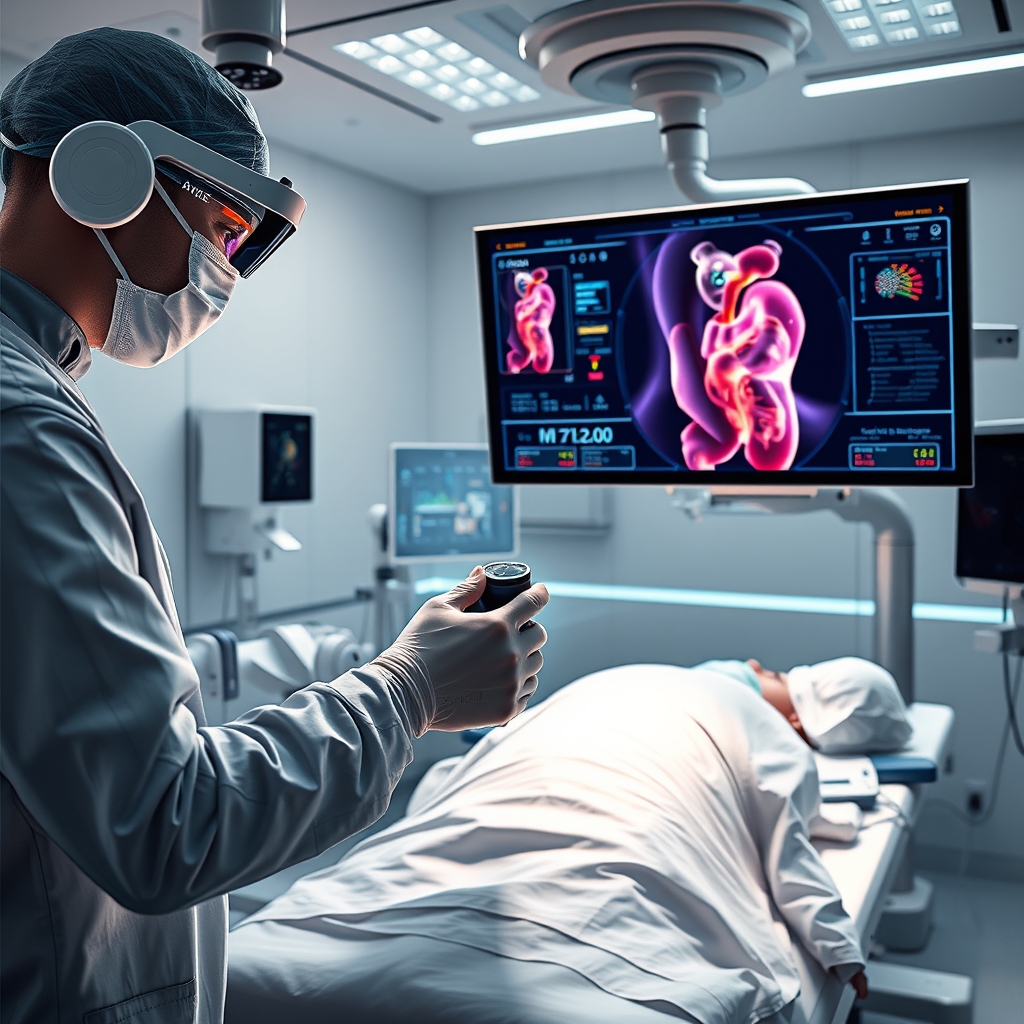
In the ever-evolving landscape of modern medicine, few advancements have been as transformative as the integration of artificial intelligence (AI) with automated endoscopy systems. These cutting-edge technologies are not only enhancing the precision and efficiency of minimally invasive procedures but are also redefining the patient experience, reducing recovery times, and improving diagnostic accuracy. As healthcare continues to embrace digital transformation, the synergy between AI and automated endoscopy is setting a new standard for what is possible in medical diagnostics and treatment.
The Evolution of Endoscopy: From Manual to Automated
Endoscopy has long been a cornerstone of minimally invasive medicine, allowing physicians to visualize and diagnose conditions within the body without the need for open surgery. Traditional endoscopy, however, relies heavily on the skill and experience of the operator, which can introduce variability in outcomes. The introduction of automated endoscopy systems has addressed many of these challenges by incorporating robotics, AI-driven navigation, and real-time imaging analysis. These systems can autonomously guide the endoscope through complex anatomical pathways, reducing the risk of human error and improving the consistency of procedures.
One of the most significant breakthroughs in this field is the development of AI-powered image recognition. These systems can analyze thousands of frames per second, identifying abnormalities such as polyps, lesions, or early signs of cancer with a level of accuracy that surpasses human capability. By leveraging deep learning algorithms, automated endoscopy systems can also adapt to individual patient anatomy, ensuring that even the most subtle anomalies are detected and documented.
The Role of AI in Enhancing Diagnostic Accuracy
AI’s role in automated endoscopy extends beyond mere navigation. Advanced machine learning models are now capable of interpreting endoscopic images in real time, providing clinicians with immediate feedback and reducing the likelihood of missed diagnoses. For instance, AI can highlight areas of concern during a colonoscopy, ensuring that even small or flat polyps are not overlooked. This level of precision is particularly critical in early cancer detection, where timely intervention can significantly improve patient outcomes.
Moreover, AI-driven endoscopy systems can integrate with electronic health records (EHRs) to provide a comprehensive view of a patient’s medical history. This integration allows for more personalized care, as the system can cross-reference current findings with past diagnostics, medication history, and genetic predispositions. The result is a more holistic approach to patient care, where treatment plans are tailored to the individual rather than following a one-size-fits-all model.
Robotic Assistance: The Next Frontier in Endoscopic Procedures
The fusion of robotics with automated endoscopy has opened up new possibilities for minimally invasive surgery. Robotic-assisted endoscopy systems, such as those used in procedures like endoscopic submucosal dissection (ESD) or natural orifice transluminal endoscopic surgery (NOTES), provide surgeons with enhanced dexterity and control. These systems can perform intricate maneuvers within the body, such as suturing or tissue removal, with a level of precision that is difficult to achieve with traditional endoscopic tools.
One of the key advantages of robotic-assisted endoscopy is its ability to reduce the physical strain on surgeons. Prolonged endoscopic procedures can be physically demanding, leading to fatigue and potential errors. Robotic systems, however, can be operated with greater ease, allowing surgeons to focus on the strategic aspects of the procedure rather than the manual manipulation of the endoscope. This not only improves the quality of care but also extends the capabilities of surgeons, enabling them to perform more complex procedures with confidence.
Remote Patient Monitoring and the Internet of Medical Things (IoMT)
The integration of automated endoscopy systems with the Internet of Medical Things (IoMT) is another exciting development in this field. IoMT refers to the network of medical devices and applications that connect to healthcare IT systems through online computer networks. In the context of endoscopy, IoMT enables real-time data sharing between the endoscopic system, the hospital’s EHR, and even remote monitoring devices used by patients at home.
For example, a patient undergoing a routine endoscopic procedure could have their data transmitted directly to a cloud-based platform, where AI algorithms analyze the results and flag any abnormalities for further review. This data can then be accessed by the patient’s healthcare provider, who can monitor their condition remotely and adjust treatment plans as needed. This seamless flow of information not only improves the efficiency of care but also empowers patients to take a more active role in managing their health.
The Impact on Patient Outcomes and Healthcare Efficiency
The benefits of automated endoscopy systems extend beyond the operating room. By reducing the need for invasive surgeries, these technologies can significantly shorten recovery times, minimize post-operative complications, and lower healthcare costs. Patients who undergo procedures with automated endoscopy systems often experience less pain, fewer scars, and a faster return to their daily activities. This is particularly important for elderly patients or those with chronic conditions, who may be more vulnerable to the risks associated with traditional surgery.
From a healthcare system perspective, the adoption of automated endoscopy systems can lead to greater efficiency and resource optimization. AI-driven diagnostics reduce the burden on pathologists and radiologists, allowing them to focus on more complex cases. Additionally, the ability to perform procedures with greater precision can reduce the need for repeat interventions, freeing up valuable hospital resources and reducing wait times for patients.
Challenges and Ethical Considerations
Despite the tremendous potential of automated endoscopy systems, their widespread adoption is not without challenges. One of the primary concerns is the cost of implementation, which can be prohibitive for smaller healthcare facilities. Additionally, there are ethical considerations surrounding the use of AI in medical decision-making, particularly in cases where the technology may be relied upon too heavily, potentially overshadowing the clinician’s judgment.
Data privacy and security are also critical issues, as the integration of IoMT and AI requires the transmission and storage of sensitive patient information. Healthcare providers must ensure that robust cybersecurity measures are in place to protect against data breaches and unauthorized access. Furthermore, there is a need for standardized regulations and guidelines to govern the use of AI in endoscopy, ensuring that these technologies are used responsibly and ethically.
As we stand on the brink of a new era in minimally invasive medicine, the fusion of automated endoscopy systems and AI is poised to revolutionize the way we diagnose and treat a wide range of medical conditions. These technologies are not just enhancing the capabilities of healthcare providers but are also empowering patients to take control of their health in ways that were previously unimaginable. The journey toward fully autonomous medical systems is still in its early stages, but the progress made so far offers a glimpse into a future where healing is faster, safer, and more precise than ever before. The potential to transform lives is immense, and as these technologies continue to evolve, they will undoubtedly shape the future of healthcare for generations to come.