
The Digital Stethoscope: How AI-Powered Diagnostic Imaging Systems Are Revolutionizing Early Detection
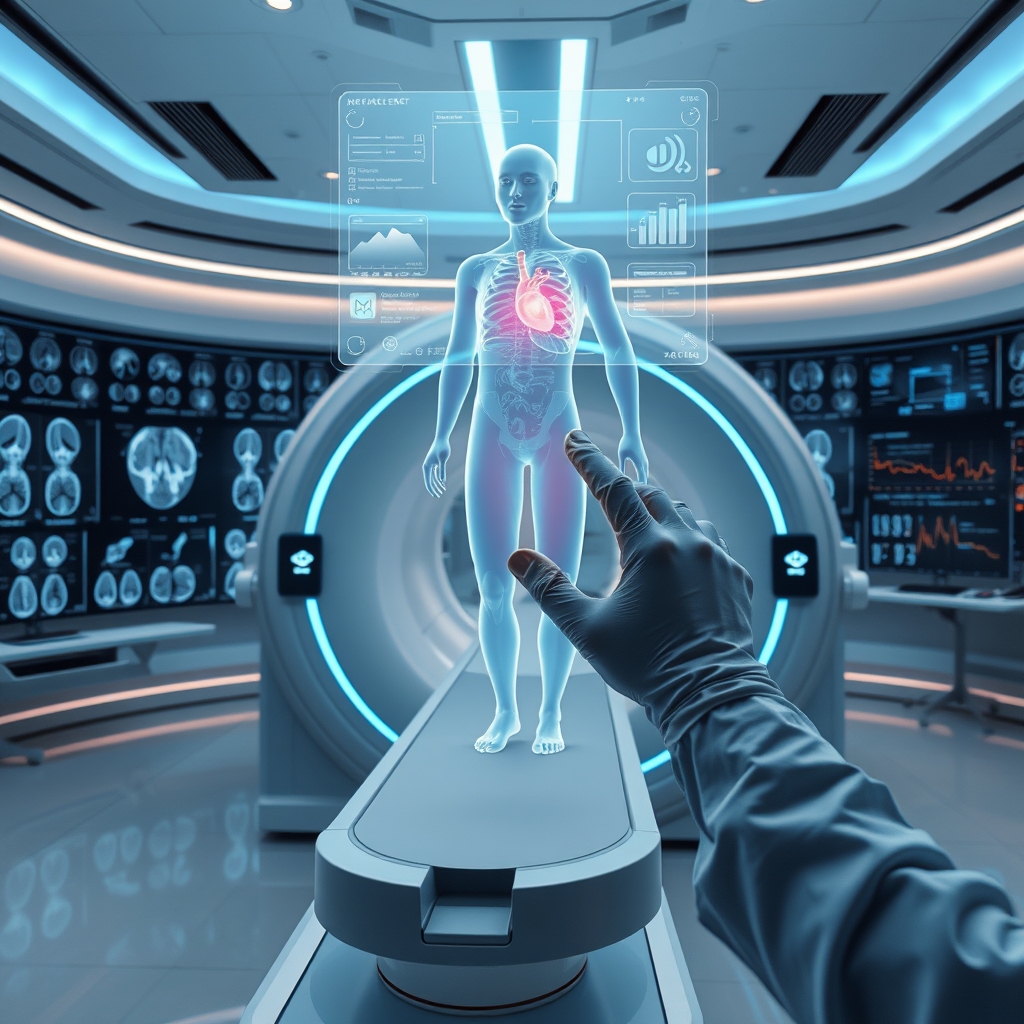
In the quiet hum of a modern radiology suite, a transformation is unfolding—one that is redefining how clinicians see, interpret, and act on medical data. Diagnostic imaging systems, long the cornerstone of medical diagnostics, are evolving from static snapshots into dynamic, intelligent platforms powered by artificial intelligence. These systems are no longer just tools for capturing images; they are becoming active participants in the diagnostic process, offering unprecedented speed, accuracy, and insight. The integration of AI into imaging technologies is not merely an upgrade—it is a paradigm shift that is reshaping early detection, treatment planning, and patient outcomes.
The Evolution of Diagnostic Imaging: From Film to Intelligence
For decades, diagnostic imaging relied on human expertise to interpret X-rays, MRIs, CT scans, and ultrasounds. While these modalities provided invaluable insights, they were limited by the variability of human perception, the time required for analysis, and the sheer volume of data generated. Enter AI-powered diagnostic imaging systems. By leveraging deep learning algorithms trained on millions of annotated images, these systems can detect subtle patterns, anomalies, and biomarkers that might elude even the most experienced radiologists. For instance, AI models can identify early-stage tumors in mammograms with a level of precision that rivals or surpasses human performance, often flagging abnormalities that would otherwise go unnoticed until later stages.
The impact of this evolution extends beyond oncology. In cardiology, AI-enhanced imaging systems analyze echocardiograms and cardiac MRIs to detect structural heart diseases, such as cardiomyopathies, with remarkable accuracy. In neurology, AI-driven MRI analysis can predict the progression of neurodegenerative diseases like Alzheimer’s by identifying microscopic changes in brain tissue long before symptoms manifest. These advancements are not just improving diagnostic accuracy—they are enabling earlier interventions, which can significantly alter the trajectory of a patient’s health.
Speed, Scalability, and the Democratization of Expertise
One of the most compelling advantages of AI-powered diagnostic imaging is its ability to process vast amounts of data at speeds unattainable by human practitioners. In emergency settings, where every second counts, AI can rapidly analyze CT scans for signs of stroke, hemorrhage, or pulmonary embolism, providing clinicians with critical insights in real time. This speed is not just a matter of convenience; it can be the difference between life and death. For example, AI algorithms can detect large vessel occlusions in stroke patients within minutes, enabling faster triage and treatment decisions that preserve brain function and improve recovery outcomes.
Beyond speed, AI is also addressing a critical challenge in global healthcare: the uneven distribution of medical expertise. In regions with limited access to radiologists, AI-powered imaging systems act as force multipliers, providing high-quality diagnostic support where it is needed most. These systems can be deployed in rural clinics, mobile health units, or even conflict zones, ensuring that patients receive timely and accurate diagnoses regardless of their location. By democratizing access to expert-level diagnostics, AI is helping to bridge the gap between urban and rural healthcare, reducing disparities in care quality and outcomes.
The Synergy of AI and the Internet of Medical Things (IoMT)
The integration of AI with the Internet of Medical Things (IoMT) is further amplifying the capabilities of diagnostic imaging systems. IoMT refers to the network of interconnected medical devices, sensors, and software that collect, transmit, and analyze health data in real time. When combined with AI-powered imaging, IoMT creates a seamless ecosystem where diagnostic insights are continuously updated and shared across healthcare systems. For example, wearable biosensor patches can monitor a patient’s vital signs and transmit data to an AI-driven imaging platform, which then correlates this information with imaging findings to provide a holistic view of the patient’s health.
This synergy is particularly valuable in chronic disease management. Patients with conditions like diabetes or heart failure can benefit from continuous monitoring through IoMT devices, which feed data into AI imaging systems that track disease progression or treatment efficacy. For instance, a smart cardiac implant might detect early signs of arrhythmia, prompting an AI-enhanced echocardiogram to assess structural changes in the heart. This closed-loop system ensures that clinicians receive actionable insights in real time, enabling proactive interventions that prevent complications and hospitalizations.
Overcoming Challenges: Trust, Transparency, and Ethical Considerations
Despite its transformative potential, the adoption of AI-powered diagnostic imaging is not without challenges. One of the most significant hurdles is building trust among clinicians and patients. AI systems are often perceived as “black boxes,” with decision-making processes that are difficult to interpret. To address this, developers are increasingly focusing on explainable AI (XAI), which provides transparent, interpretable outputs that allow clinicians to understand how and why a diagnosis was made. By demystifying AI’s reasoning, XAI fosters confidence in its recommendations and encourages broader adoption.
Ethical considerations also play a crucial role in the deployment of AI imaging systems. Issues such as data privacy, algorithmic bias, and the potential for over-reliance on AI must be carefully managed. For example, if an AI model is trained predominantly on data from one demographic group, it may perform poorly for patients from other backgrounds, leading to misdiagnoses or disparities in care. To mitigate these risks, developers must ensure that training datasets are diverse and representative, and that AI systems are rigorously validated across different populations. Additionally, regulatory bodies are increasingly scrutinizing AI tools to ensure they meet stringent safety and efficacy standards before they are deployed in clinical settings.
The Future: Predictive, Personalized, and Preventive Imaging
Looking ahead, the future of AI-powered diagnostic imaging lies in its ability to move beyond diagnosis and into prediction and prevention. Predictive health analytics, powered by AI, can analyze imaging data alongside genetic, lifestyle, and environmental factors to forecast an individual’s risk of developing certain conditions. For example, AI models can predict a patient’s likelihood of developing osteoporosis by analyzing bone density scans and correlating them with genetic markers and dietary habits. Armed with this information, clinicians can recommend personalized interventions, such as lifestyle modifications or preventive therapies, to mitigate risk before symptoms appear.
Personalized imaging is another frontier. AI systems are being developed to tailor imaging protocols to individual patients, optimizing scan parameters to reduce radiation exposure while maximizing diagnostic yield. For instance, a patient with a family history of breast cancer might undergo a customized MRI protocol that focuses on high-risk areas, while a patient with a pacemaker might receive a modified CT scan to avoid interference. This level of personalization ensures that imaging is not only more effective but also safer and more patient-centric.
As AI continues to evolve, diagnostic imaging systems will become increasingly integrated into the fabric of healthcare, acting as silent sentinels that monitor, analyze, and predict health outcomes with unprecedented precision. The digital stethoscope is no longer a metaphor—it is a reality, one that is listening to the subtle rhythms of the human body and translating them into actionable insights. In this new era, the line between technology and medicine blurs, giving rise to a future where early detection is not just possible but inevitable, and where every patient benefits from the collective intelligence of human expertise and artificial innovation.