
The Silent Revolution: How Wearable Biosensor Patches Are Redefining Preventive Healthcare
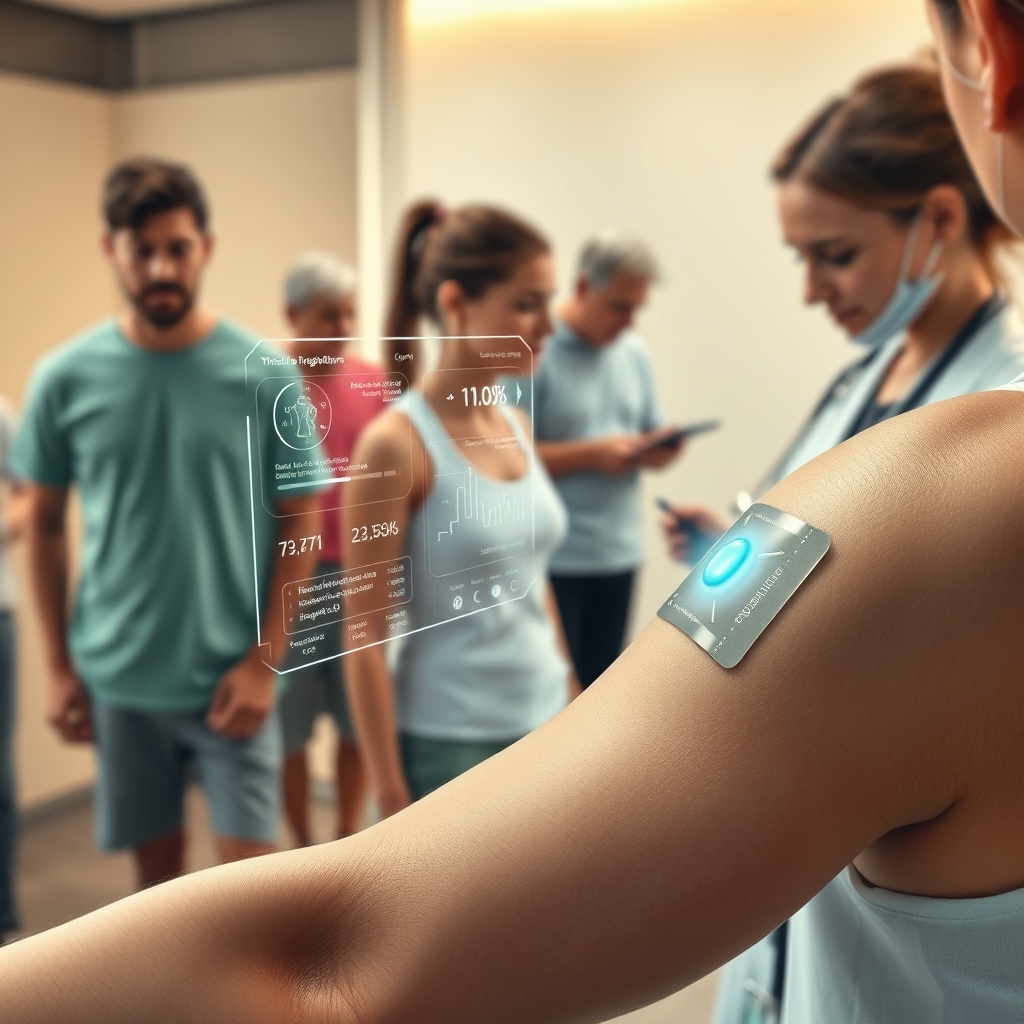
The healthcare landscape is undergoing a seismic shift, moving away from reactive treatments toward a more proactive, preventive model. At the heart of this transformation are wearable biosensor patches, unobtrusive yet powerful devices that are quietly revolutionizing how we monitor, diagnose, and manage health. These thin, flexible patches adhere to the skin, continuously tracking vital signs, biochemical markers, and even early indicators of disease—all without the need for invasive procedures or cumbersome equipment. Their rise marks a pivotal moment in medicine, where real-time data empowers both patients and clinicians to act before conditions escalate.
The Science Behind the Patch
Wearable biosensor patches leverage cutting-edge materials science and microelectronics to create devices that are as comfortable as they are functional. Most patches consist of three core components: a flexible substrate (often made of polymers or textiles), biosensors that detect physiological signals, and a wireless transmitter to relay data to smartphones or cloud-based platforms. Some advanced models even incorporate microfluidic channels to analyze sweat, interstitial fluid, or other biofluids for glucose, lactate, cortisol, or electrolytes.
What sets these patches apart from traditional wearables like smartwatches is their ability to provide continuous, lab-grade accuracy without requiring user intervention. For example, a patch designed for cardiac monitoring can detect arrhythmias with the same precision as a Holter monitor but without the wires or bulk. Similarly, patches for diabetics can track glucose levels in real time, eliminating the need for finger-prick tests while offering insights into trends that static measurements miss.
From Hospitals to Homes: Expanding Access to Care
The implications of this technology extend far beyond individual convenience. Wearable biosensor patches are democratizing healthcare by bridging gaps in access, particularly for chronic disease management and remote patient monitoring. Patients in rural or underserved areas can now receive the same level of oversight as those in urban hospitals, with clinicians receiving alerts when anomalies arise. This is especially critical for conditions like heart failure, where early detection of fluid retention can prevent hospital readmissions.
In post-operative care, these patches are reducing the need for frequent in-person check-ups. A patient recovering from surgery can be monitored for signs of infection, inflammation, or abnormal vital signs without leaving home. The data collected is often more comprehensive than what a single office visit can provide, enabling personalized adjustments to treatment plans. For elderly patients or those with mobility issues, this means greater independence without sacrificing safety.
The Role of AI in Unlocking Predictive Insights
While the hardware behind biosensor patches is impressive, it’s the integration of artificial intelligence that truly unlocks their potential. Machine learning algorithms analyze the continuous streams of data generated by these devices, identifying patterns that might elude even the most experienced clinicians. For instance, AI can predict the onset of sepsis hours before symptoms appear by detecting subtle changes in heart rate variability, temperature, and white blood cell activity.
Predictive health analytics powered by these patches are also transforming preventive care. By correlating data from multiple sources—such as activity levels, sleep patterns, and biochemical markers—AI can flag individuals at high risk for conditions like hypertension or metabolic syndrome. This allows for early interventions, such as lifestyle modifications or medication adjustments, that can avert more serious health crises down the line. The shift from reactive to predictive medicine isn’t just a technological advancement; it’s a fundamental reimagining of how we approach health and wellness.
Challenges and the Road Ahead
Despite their promise, wearable biosensor patches face hurdles that must be addressed before they can achieve widespread adoption. Data privacy and security are paramount concerns, as these devices collect and transmit sensitive health information. Ensuring compliance with regulations like HIPAA and GDPR while maintaining seamless functionality is a delicate balance. Additionally, the accuracy of some patches—particularly those measuring complex biomarkers—still requires validation against gold-standard clinical tests.
Another challenge lies in user adherence. While patches are less intrusive than traditional monitors, they still require regular replacement and proper application to function effectively. Designing patches that are durable, hypoallergenic, and easy to use will be key to their long-term success. There’s also the question of integration with existing healthcare systems. For biosensor patches to reach their full potential, electronic health records (EHRs) and clinical workflows must evolve to accommodate real-time data streams without overwhelming providers.
Beyond the Individual: A Systemic Impact
The ripple effects of wearable biosensor patches extend to the broader healthcare ecosystem. Hospitals are beginning to use aggregated, anonymized data from these devices to identify population-level health trends, optimize resource allocation, and even predict outbreaks. For example, a sudden spike in respiratory rate data across a region could signal the early stages of a flu epidemic, allowing public health officials to respond proactively.
Insurance companies are also taking note, with some offering incentives for policyholders who use biosensor patches to manage chronic conditions. The logic is simple: preventive care reduces long-term costs. By rewarding healthy behaviors and early interventions, insurers can lower the incidence of expensive hospitalizations and emergency room visits. This alignment of incentives between patients, providers, and payers could accelerate the adoption of wearable biosensors across the board.
As these patches become more sophisticated, their applications will expand beyond traditional healthcare settings. Athletes are already using them to optimize performance and recovery, while researchers are exploring their potential in clinical trials to gather more accurate, real-world data. The line between medical devices and consumer health tech is blurring, creating a future where everyone—regardless of their health status—has access to personalized, data-driven insights.
The quiet revolution of wearable biosensor patches is not just about technology; it’s about redefining the relationship between individuals and their health. By putting powerful, continuous monitoring tools directly on the skin, these devices are shifting the focus from treating illness to preventing it. The data they generate doesn’t just inform decisions—it empowers them, turning patients into active participants in their own care. As the boundaries of what’s possible continue to expand, one thing is clear: the future of healthcare isn’t just about smarter machines, but about a smarter, more connected approach to well-being.