Glucose Optimization and Digital Wellness: The Next Frontier in Personalized Metabolic Health
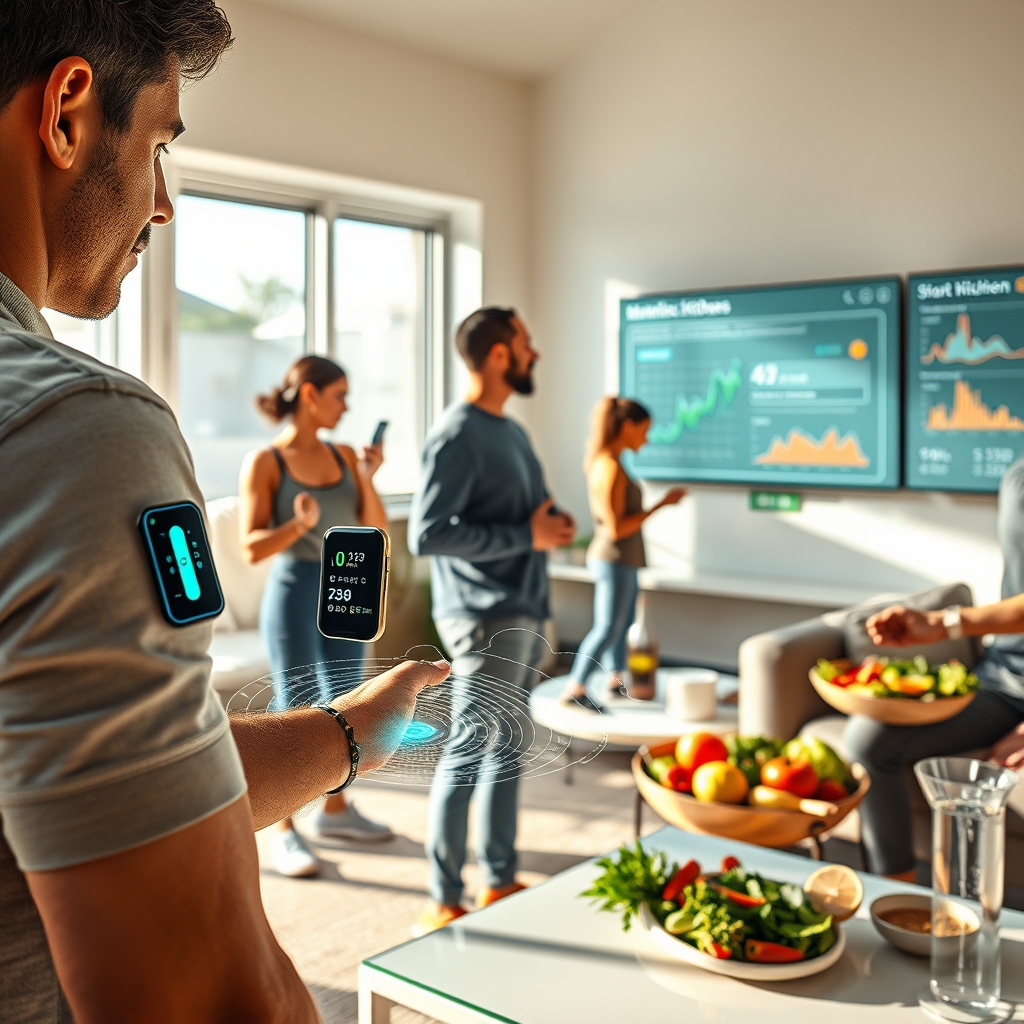
In an era where health data is more accessible than ever, glucose optimization has emerged as a cornerstone of metabolic wellness. With the rise of wearable fitness trackers and continuous glucose monitors (CGMs), individuals are gaining unprecedented insights into how their bodies respond to food, exercise, and stress. This real-time feedback loop is transforming the way we approach nutrition, fitness, and preventive care, making personalized medicine a tangible reality rather than a distant promise.
The Science Behind Glucose Optimization
Glucose, the primary sugar in our bloodstream, is a critical source of energy for the body. However, chronic fluctuations—whether spikes or crashes—can contribute to metabolic disorders like insulin resistance, type 2 diabetes, and even cardiovascular disease. Traditional dietary guidelines often take a one-size-fits-all approach, but research in health informatics and personalized nutrition reveals that individual responses to carbohydrates vary widely. Factors such as gut microbiome composition, genetic predispositions, and lifestyle habits all play a role in how efficiently our bodies process glucose.
Emerging studies in functional foods and plant-based nutrition have highlighted the potential of specific dietary interventions to stabilize blood sugar levels. For instance, foods rich in fiber, such as legumes and whole grains, slow down glucose absorption, while polyphenol-rich foods like berries and dark leafy greens may improve insulin sensitivity. The integration of these findings into digital wellness platforms allows users to receive tailored recommendations based on their unique metabolic profiles.
The Role of Wearable Technology in Glucose Management
Wearable fitness trackers and smart fitness equipment have evolved beyond step counting and heart rate monitoring. Modern devices, including CGMs and advanced biosensors, provide continuous data on glucose trends, enabling users to make informed decisions about their diet and activity levels. These tools are particularly valuable for individuals with prediabetes or metabolic syndrome, as they offer real-time feedback that can help prevent the progression of these conditions.
Telemedicine has further amplified the impact of these technologies by connecting users with healthcare providers who can interpret their data and adjust treatment plans accordingly. Remote consultations allow for more frequent check-ins, reducing the need for in-person visits while ensuring that patients receive timely, personalized care. This shift toward connected health is democratizing access to metabolic wellness, making it easier for people to take control of their health regardless of their location.
Micro Workouts and Low-Impact Exercise for Metabolic Health
While diet plays a crucial role in glucose optimization, physical activity is equally important. However, not everyone has the time or ability to engage in lengthy gym sessions. This is where micro workouts and low-impact exercises come into play. Short bursts of activity, such as a 10-minute walk after meals or a quick bodyweight circuit, have been shown to improve insulin sensitivity and promote glucose uptake by muscles.
Smart fitness equipment, such as AI-powered resistance bands or interactive mirrors, can guide users through these micro workouts, ensuring proper form and intensity. These tools often sync with health apps to track progress and adjust recommendations based on real-time data. For individuals with joint issues or mobility limitations, low-impact exercises like swimming, cycling, or yoga offer a gentler alternative that still delivers metabolic benefits.
Mind-Body Practices and Immune Support
Stress is a often-overlooked factor in glucose regulation. Chronic stress triggers the release of cortisol, a hormone that can increase blood sugar levels and promote fat storage, particularly around the abdomen. Mind-body practices such as meditation, deep breathing, and tai chi have been shown to reduce stress and improve metabolic health. These practices not only help stabilize glucose levels but also support immune function, creating a holistic approach to wellness.
Functional foods and supplements, such as adaptogens (e.g., ashwagandha) and probiotics, can further enhance the body’s resilience to stress. When combined with digital wellness tools—like apps that track stress levels and suggest mindfulness exercises—these interventions provide a comprehensive strategy for managing metabolic health.
The Future of Agentic Health Technology
Agentic health technology, which refers to systems that act autonomously to support health goals, is poised to revolutionize glucose optimization. Imagine a wearable device that not only monitors your glucose levels but also suggests real-time adjustments to your diet or activity based on your schedule, preferences, and metabolic data. These systems could integrate with smart kitchen appliances to recommend recipes or even adjust insulin dosages for individuals with diabetes.
Health informatics will play a pivotal role in this evolution, as machine learning algorithms analyze vast datasets to identify patterns and predict individual responses to various interventions. This level of personalization could make preventive care more effective, reducing the burden of chronic diseases on healthcare systems worldwide.
As we continue to explore the intersection of digital wellness and metabolic health, one thing is clear: the future of glucose optimization lies in personalization. By leveraging technology, functional foods, and mind-body practices, individuals can take proactive steps to stabilize their blood sugar, improve their energy levels, and enhance their overall well-being. The tools and knowledge are at our fingertips—it’s up to us to embrace them and redefine what it means to live a metabolically healthy life.