The Rise of Connected Health: How Wearable Tech and Telemedicine Are Personalizing Metabolic Wellness
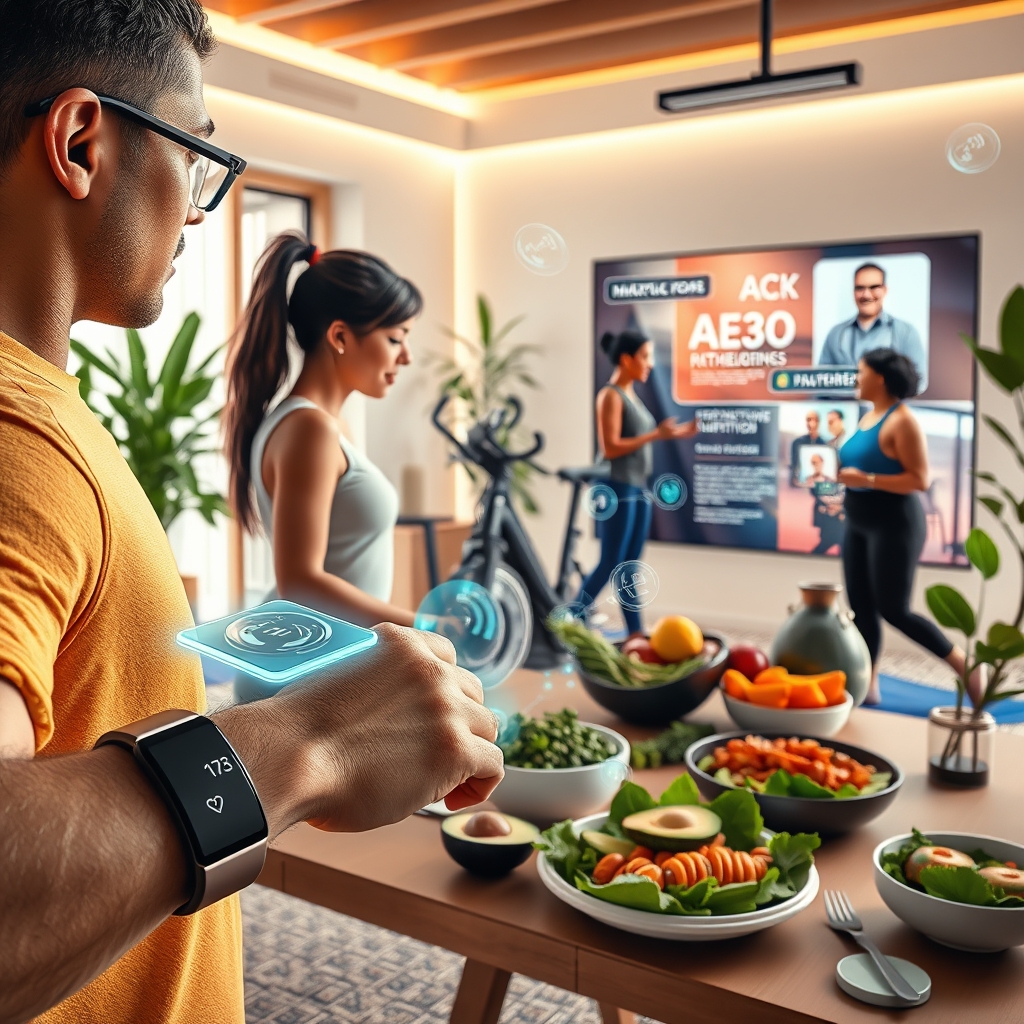
In an era where technology seamlessly integrates into every aspect of our lives, healthcare is undergoing a profound transformation. The convergence of connected health, wearable fitness trackers, and telemedicine is not just reshaping how we monitor our well-being but also how we prevent and manage chronic conditions like metabolic disorders. This shift toward personalized medicine is empowering individuals to take control of their health in ways that were unimaginable just a decade ago.
The Power of Wearable Fitness Trackers in Metabolic Health
Wearable fitness trackers have evolved from simple step counters to sophisticated health monitors capable of tracking heart rate, sleep patterns, stress levels, and even blood oxygen saturation. For individuals focused on metabolic health, these devices offer real-time insights into how lifestyle choices impact glucose levels, energy expenditure, and overall metabolic function. Advanced models now integrate continuous glucose monitoring (CGM) technology, providing users with instant feedback on how their diet and activity levels influence blood sugar fluctuations.
This data-driven approach allows for highly personalized interventions. For example, someone with prediabetes can use a wearable device to identify which foods trigger spikes in their glucose levels and adjust their diet accordingly. The ability to correlate physical activity with metabolic markers also enables users to optimize their workouts for better insulin sensitivity, making low-impact workouts like yoga or swimming more effective for long-term health.
From Data to Actionable Insights
The true value of wearable technology lies not just in the data it collects but in how that data is interpreted and acted upon. Many modern wearables sync with health apps that use AI to analyze trends and provide personalized recommendations. For instance, if a user consistently shows elevated resting heart rates, the app might suggest stress-reduction techniques like mindfulness or mind-body practices such as meditation. Similarly, if sleep data indicates poor recovery, the app could recommend adjustments to bedtime routines or even dietary tweaks to improve sleep quality.
This level of personalization is a game-changer for preventive care. Instead of waiting for symptoms to manifest, individuals can proactively address potential health risks by making informed decisions based on their unique physiological data. The shift from reactive to proactive health management is one of the most significant benefits of this technological revolution.
Telemedicine: Bridging the Gap Between Patients and Personalized Care
While wearables provide the data, telemedicine offers the human touch needed to interpret and act on that information. Virtual consultations with healthcare providers have become increasingly common, breaking down geographical barriers and making expert care more accessible. For those managing metabolic conditions, telemedicine enables regular check-ins with endocrinologists, nutritionists, and fitness coaches without the need for in-person visits.
One of the most promising aspects of telemedicine is its ability to facilitate personalized medicine. By combining data from wearable devices with genetic information and lifestyle factors, healthcare providers can tailor treatment plans to the individual. For example, a patient with type 2 diabetes might receive a nutrition plan that accounts for their gut microbiome composition, ensuring that dietary recommendations are optimized for their unique digestive and metabolic profile. This holistic approach not only improves outcomes but also enhances patient engagement and adherence to treatment plans.
The Role of Health Informatics in Connected Care
At the heart of this connected health ecosystem is health informatics, the discipline that focuses on the effective use of data to improve health outcomes. Health informatics systems aggregate data from wearables, electronic health records, and telemedicine platforms to create a comprehensive picture of an individual’s health. This integrated approach enables healthcare providers to identify patterns and correlations that might otherwise go unnoticed.
For instance, health informatics can help identify how stress levels, as measured by wearable devices, correlate with fluctuations in blood pressure or glucose levels. Armed with this information, providers can develop targeted interventions that address the root causes of metabolic imbalances rather than just treating symptoms. The result is a more efficient and effective healthcare system that prioritizes prevention and personalization.
Smart Fitness Equipment and the Future of Low-Impact Workouts
As the demand for low-impact workouts grows, so too does the innovation in smart fitness equipment. Devices like connected stationary bikes, smart resistance bands, and AI-powered yoga mats are transforming home workouts into highly personalized fitness experiences. These tools use real-time feedback to adjust resistance, suggest form corrections, and even tailor workout intensity based on the user’s metabolic data.
For individuals focused on cardiovascular wellness, smart fitness equipment can simulate outdoor conditions, such as varying terrain or wind resistance, to make indoor workouts more engaging and effective. Some systems even integrate with wearable devices to ensure that workouts are optimized for heart rate zones, maximizing fat burn and improving cardiovascular health without overexertion.
The integration of agentic health technology—AI-driven systems that act autonomously to support health goals—takes this personalization to the next level. For example, an AI-powered fitness coach might adjust a user’s workout plan in real time based on their recovery data, ensuring they get the right balance of intensity and rest. This level of customization makes it easier for individuals to stick to their fitness routines and achieve their metabolic health goals.
Functional Foods and Glucose Optimization
No discussion of metabolic health would be complete without addressing the role of nutrition. The rise of functional foods—foods that offer health benefits beyond basic nutrition—has opened new avenues for glucose optimization. Foods rich in fiber, healthy fats, and specific bioactive compounds can help stabilize blood sugar levels and improve insulin sensitivity. For example, foods like chia seeds, avocados, and leafy greens are not only nutritious but also play a role in maintaining metabolic balance.
Wearable devices and telemedicine platforms are increasingly incorporating dietary tracking and recommendations, allowing users to see the direct impact of their food choices on their glucose levels. This real-time feedback loop empowers individuals to make smarter dietary decisions, reducing their risk of metabolic disorders like diabetes and obesity. When combined with plant-based nutrition, which emphasizes whole, unprocessed foods, this approach can have a profound impact on long-term health.
The journey toward optimal metabolic health is no longer a one-size-fits-all endeavor. With the tools and technologies available today, individuals can take a proactive, personalized approach to their well-being. From wearable fitness trackers that provide real-time insights to telemedicine platforms that connect users with expert care, the future of health is connected, data-driven, and deeply personal. As these technologies continue to evolve, they will not only transform how we manage our health but also redefine what it means to live a vibrant, balanced life. The power to shape our well-being is now, quite literally, in our hands.