The Convergence of Digital Wellness and Glucose Optimization: How Wearable Tech and Functional Foods Are Crafting a New Era of Metabolic Resilience
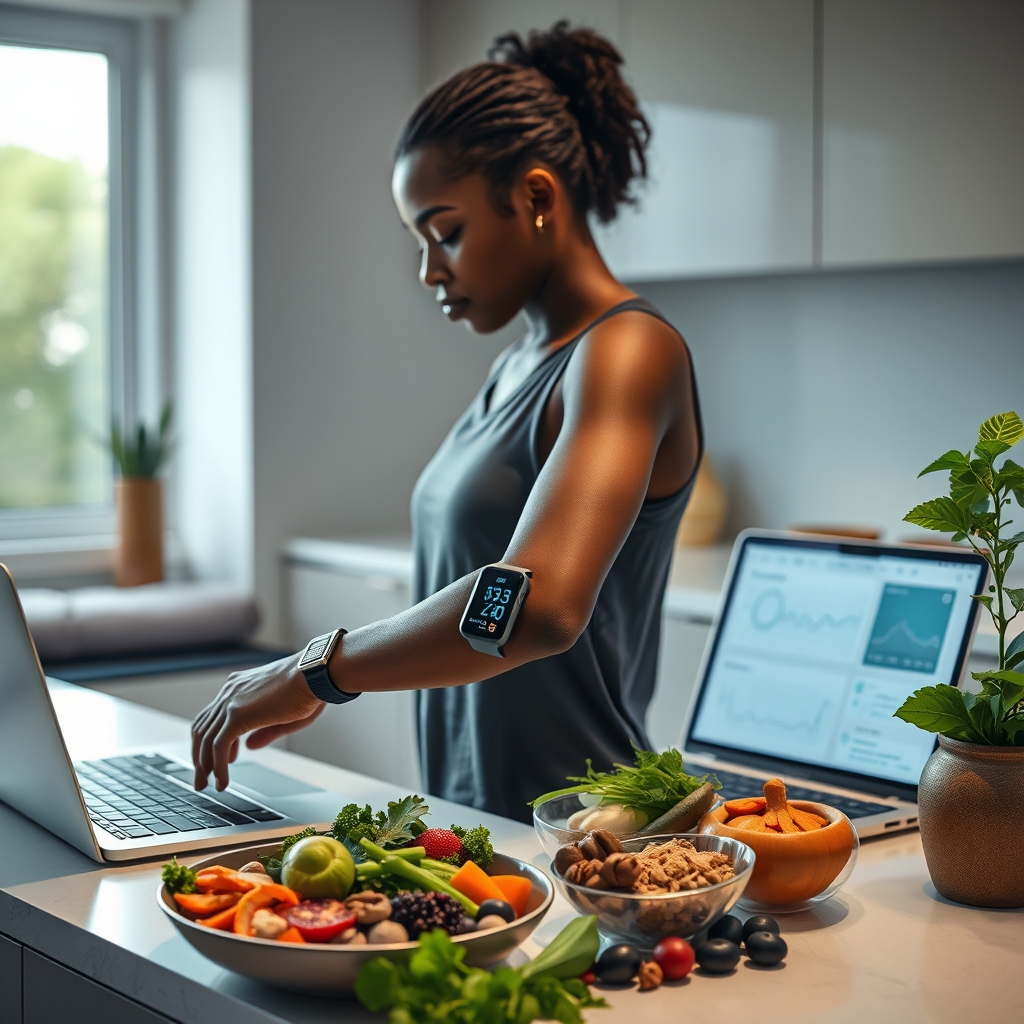
In an era where technology and health intersect more seamlessly than ever, the pursuit of metabolic resilience has taken center stage. The modern wellness landscape is no longer confined to generic advice or one-size-fits-all solutions. Instead, it thrives on personalization, leveraging cutting-edge digital tools and evidence-based nutrition to create a dynamic framework for optimal health. At the heart of this transformation lies the synergy between glucose optimization, wearable technology, and functional foods—a trio that is redefining how we approach metabolic wellness.
The Digital Revolution in Glucose Monitoring
Gone are the days when glucose management was solely the concern of those with diabetes. Today, continuous glucose monitors (CGMs) and advanced wearable devices have democratized access to real-time metabolic data, offering insights that were once reserved for clinical settings. These devices, often no larger than a coin, provide a window into how our bodies respond to food, stress, sleep, and physical activity. The data they generate is not just informative—it’s transformative, enabling individuals to make precise adjustments to their lifestyle in pursuit of stable energy levels, improved cognitive function, and long-term metabolic health.
For instance, a CGM can reveal how a seemingly healthy breakfast of oatmeal and fruit causes a sharp spike in blood sugar for one person, while another experiences a more gradual rise. Such insights empower users to experiment with meal timing, macronutrient ratios, and even the order in which they consume foods to mitigate glucose fluctuations. This level of personalization was unimaginable a decade ago, yet today, it’s becoming a cornerstone of proactive health management.
The Role of Functional Foods in Glucose Optimization
While wearable tech provides the data, functional foods offer the tools to act on it. These are not just foods that nourish but those that actively support metabolic health through their unique biochemical properties. Ingredients like cinnamon, berberine, and resistant starches have been shown to improve insulin sensitivity and blunt glucose spikes. Meanwhile, foods rich in polyphenols, such as dark leafy greens and berries, help modulate inflammation and oxidative stress—key factors in metabolic dysfunction.
The integration of functional foods into daily nutrition is not about restrictive diets or fads. Instead, it’s about strategic choices that align with an individual’s metabolic profile. For example, pairing a carbohydrate-rich meal with a source of healthy fats or fiber can slow digestion and prevent rapid glucose absorption. Similarly, incorporating fermented foods like kimchi or kefir can support gut health, which is increasingly recognized as a critical player in glucose regulation. The gut microbiome, after all, doesn’t just influence digestion—it communicates with the brain, influences inflammation, and even impacts how our bodies store fat.
Personalized Nutrition in the Digital Age
The marriage of digital wellness and functional nutrition is giving rise to a new paradigm: personalized metabolic health. Platforms that analyze CGM data alongside dietary logs can now generate tailored recommendations, suggesting not just what to eat but when and how to eat it. For example, an app might recommend consuming a small portion of protein before a high-carb meal to minimize glucose spikes or suggest a post-meal walk to enhance insulin sensitivity. These micro-adjustments, informed by real-time data, create a feedback loop that continuously refines an individual’s approach to nutrition and lifestyle.
This level of personalization extends beyond food. Wearable devices can track sleep quality, stress levels, and physical activity, all of which influence metabolic health. Poor sleep, for instance, is linked to insulin resistance, while chronic stress can disrupt cortisol rhythms, leading to glucose dysregulation. By addressing these factors holistically, digital wellness tools create a comprehensive picture of health that goes beyond the numbers on a scale or a glucose monitor.
The Future of Metabolic Resilience
The convergence of glucose optimization, wearable tech, and functional foods is not just a trend—it’s a fundamental shift in how we understand and manage health. As these tools become more accessible and sophisticated, they hold the potential to prevent metabolic disorders before they take root, shifting the focus from reactive care to proactive resilience. Imagine a world where your smartwatch not only tracks your steps but also predicts how your body will respond to a meal based on your unique metabolic fingerprint. Or where a nutrition app doesn’t just count calories but recommends foods that will stabilize your glucose levels and support your gut microbiome.
Mind-Body Practices as the Missing Link
Yet, technology and nutrition are only part of the equation. Mind-body practices like yoga, meditation, and breathwork are emerging as powerful allies in the quest for metabolic resilience. Chronic stress is a well-documented disruptor of glucose metabolism, and practices that promote relaxation can help restore balance. For example, a 10-minute mindfulness session after a meal has been shown to improve glucose tolerance, while regular yoga practice can enhance insulin sensitivity. When combined with digital tools that track stress biomarkers, these practices create a holistic approach to wellness that addresses both the physical and psychological dimensions of health.
The journey toward metabolic resilience is no longer a solitary one. With the support of wearable technology, functional foods, and mind-body practices, individuals are empowered to take control of their health in ways that were once unimaginable. The data-driven insights provided by these tools don’t just inform—they inspire action, turning abstract health goals into tangible, achievable steps. As we continue to explore the intersection of technology and wellness, one thing is clear: the future of metabolic health is not just personalized—it’s proactive, dynamic, and deeply interconnected. The choices we make today, informed by real-time data and evidence-based strategies, will shape our health for years to come, proving that the path to resilience is as unique as the individuals walking it.