The Digital Immune Shield: How Wearable Tech, Functional Foods, and Health Informatics Are Personalizing Immune Support
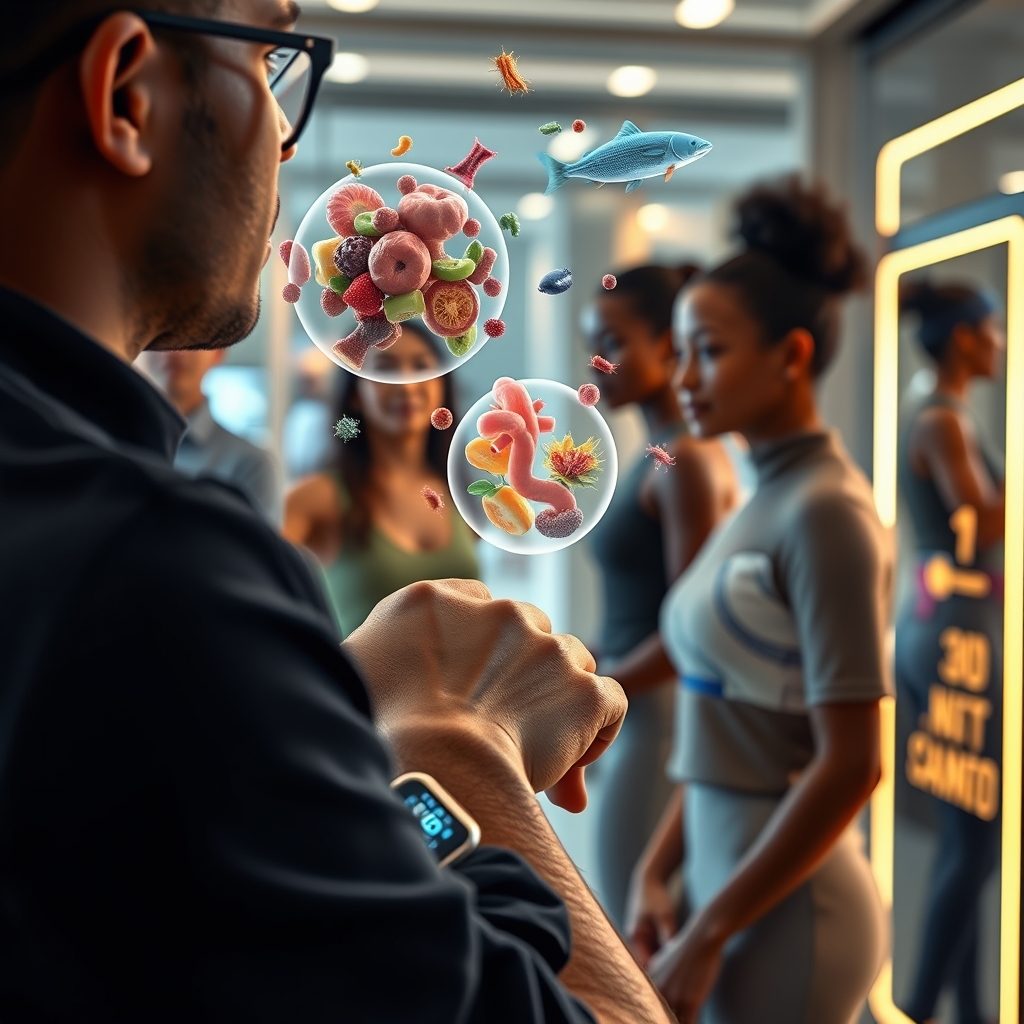
In an era where health is no longer a one-size-fits-all concept, the convergence of technology and personalized medicine is redefining how we approach immune support. The traditional model of reactive healthcare is gradually being replaced by a proactive, data-driven paradigm that leverages wearable technology, functional foods, and advanced health informatics to create a dynamic, individualized defense system. This shift is not just about preventing illness but optimizing wellness in real time, ensuring that the body’s natural defenses are fortified by precise, actionable insights.
The Rise of Wearable Immune Monitoring
Wearable fitness trackers have evolved far beyond step counting and heart rate monitoring. Today’s cutting-edge devices are equipped with sensors capable of tracking biomarkers that offer a window into immune function. From continuous glucose monitors (CGMs) that reveal metabolic fluctuations linked to inflammation, to advanced wearables measuring heart rate variability (HRV)—a key indicator of stress and immune resilience—these tools provide a real-time snapshot of how lifestyle choices impact the body’s defenses.
For instance, research has shown that chronic stress and poor sleep can suppress immune function, leaving the body more vulnerable to infections. Wearables that monitor sleep quality, stress levels, and even cortisol patterns empower individuals to make informed adjustments—whether it’s prioritizing rest, incorporating mindfulness practices, or tweaking dietary habits to support immune resilience. The data doesn’t just inform; it transforms passive health management into an active, personalized strategy.
Functional Foods as Immune Modulators
While technology provides the data, functional foods offer the biological tools to act on it. The gut microbiome, often referred to as the body’s “second brain,” plays a pivotal role in immune regulation. Emerging research highlights how specific nutrients—such as polyphenols in berries, probiotics in fermented foods, and omega-3 fatty acids in fatty fish—can modulate gut health and, by extension, immune function. These foods don’t just nourish; they communicate with the body’s systems, promoting balance and resilience.
For example, a diet rich in fiber supports the growth of beneficial gut bacteria, which in turn produce short-chain fatty acids (SCFAs) like butyrate. These compounds have been shown to reduce inflammation and enhance immune cell function. Similarly, foods high in zinc, vitamin D, and antioxidants can directly support the body’s ability to fend off pathogens. When paired with data from wearables, individuals can tailor their diets to address specific immune vulnerabilities, such as low-grade inflammation or nutrient deficiencies, creating a feedback loop of continuous optimization.
The Role of Health Informatics in Immune Personalization
The true power of this digital immune shield lies in the integration of data from wearables, dietary habits, and even genetic predispositions through health informatics. Artificial intelligence (AI) and machine learning algorithms can analyze vast datasets to identify patterns and predict immune responses. For instance, an AI-driven platform might detect that an individual’s HRV drops after consuming certain foods, suggesting a potential inflammatory response. Armed with this insight, the user can adjust their diet or lifestyle to mitigate the effect.
Telemedicine further enhances this ecosystem by connecting individuals with healthcare providers who can interpret complex data and offer personalized recommendations. Imagine a scenario where a wearable detects a prolonged spike in resting heart rate, a potential sign of immune stress. The data is automatically shared with a telehealth provider, who reviews it alongside the patient’s dietary logs and suggests targeted interventions—such as increasing intake of anti-inflammatory foods or adjusting sleep hygiene practices. This seamless integration of technology and human expertise ensures that immune support is not just reactive but predictive and preventive.
Micro Workouts and Metabolic Resilience
Physical activity is another critical pillar of immune health, but the relationship between exercise and immunity is nuanced. While moderate, consistent movement enhances immune function, excessive or intense workouts can temporarily suppress it. This is where the concept of micro workouts—short, frequent bursts of activity—comes into play. Wearables can track not just the duration of exercise but also its intensity, ensuring that individuals stay within the “immune-boosting” zone without overtaxing their systems.
For example, a 10-minute high-intensity interval training (HIIT) session might be followed by a recovery period, with wearables providing real-time feedback on heart rate and exertion levels. This approach not only supports metabolic health but also ensures that the immune system remains robust. When combined with functional foods that reduce exercise-induced inflammation—such as tart cherry juice or turmeric—micro workouts become a powerful tool for immune optimization.
The Future of Immune Support: A Connected Ecosystem
The future of immune support lies in the seamless integration of these technologies into a connected health ecosystem. Wearables will continue to evolve, incorporating more advanced sensors capable of detecting early signs of immune dysfunction, such as changes in skin temperature or blood biomarkers. Functional foods will become even more targeted, with personalized nutrition plans based on genetic, microbial, and lifestyle data. Health informatics will bridge the gap between data and action, turning raw numbers into personalized, actionable insights.
This ecosystem is not just about preventing illness; it’s about elevating wellness to new heights. By leveraging the power of digital tools, individuals can move beyond generic advice and embrace a truly personalized approach to immune support. The result is a body that is not just defended against threats but optimized for resilience, vitality, and long-term health. As technology and biology continue to converge, the line between prevention and optimization blurs, ushering in a new era where immune health is not left to chance but actively cultivated through data, science, and smart choices.