The Next Wave of Preventive Care: How Digital Mental Health and Smart Fitness Are Merging for Holistic Wellness
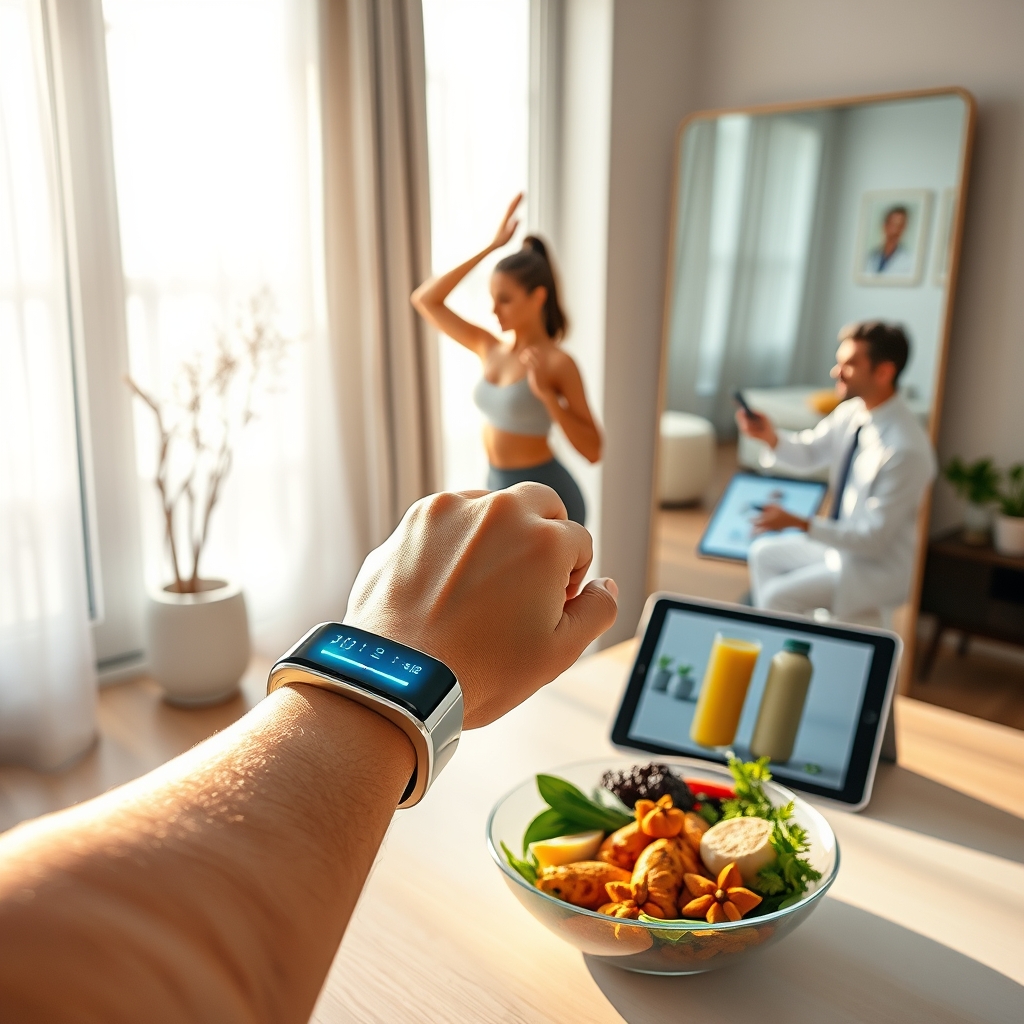
The landscape of preventive care is undergoing a seismic shift, driven by the fusion of digital mental health tools and smart fitness innovations. No longer confined to reactive treatments, modern wellness is embracing a proactive, data-driven approach that integrates physical and emotional well-being. At the heart of this transformation lies the convergence of wearable technology, AI-powered health insights, and personalized fitness solutions—all designed to empower individuals before illness strikes.
The Rise of Agentic Health Technology in Mental Wellness
Agentic health technology—systems that act autonomously to support well-being—is redefining how we approach mental health. Unlike traditional therapy, which often requires scheduled sessions, these tools provide real-time interventions. AI-driven chatbots, for instance, offer cognitive behavioral therapy (CBT) techniques at the user’s fingertips, while wearable devices track stress biomarkers like heart rate variability (HRV) to suggest mindfulness breaks. The result? A continuous, adaptive support system that evolves with the user’s needs.
This shift is particularly impactful for those who face barriers to traditional care, such as stigma or accessibility issues. Digital mental health platforms democratize support, making evidence-based strategies available 24/7. When paired with smart fitness equipment, these tools create a feedback loop: mental health insights inform physical activity, and workout data, in turn, influences emotional resilience. For example, a sudden drop in HRV might trigger a guided breathing exercise, followed by a low-impact yoga session tailored to the user’s stress levels.
Smart Fitness: Beyond Step Counting
Wearable fitness trackers have moved far beyond counting steps. Today’s devices monitor metabolic health, glucose levels, and even muscle recovery, offering a granular view of how the body responds to movement. Smart fitness equipment, such as AI-powered resistance trainers or connected yoga mats, takes this a step further by adapting workouts in real time. Imagine a treadmill that adjusts its incline based on your heart rate or a meditation app that syncs with your sleep data to recommend optimal wake-up times.
This level of personalization is crucial for preventive care. By analyzing patterns in activity, sleep, and nutrition, these tools identify early signs of metabolic imbalances or cardiovascular strain. For instance, a sudden spike in resting heart rate might prompt a recommendation to reduce intensity or focus on recovery. Over time, this data-driven approach helps users build sustainable habits that align with their unique physiology, rather than generic fitness trends.
The Role of Functional Foods in Digital Wellness
Nutrition is the missing link in the digital wellness equation. While wearables track physical activity and mental health, functional foods—those with targeted health benefits—provide the biochemical foundation for resilience. Probiotic-rich foods support gut health, which is increasingly linked to mood regulation, while adaptogens like ashwagandha help the body manage stress. When integrated with digital tools, these foods become part of a larger strategy. For example, a smart scale might detect inflammation markers, prompting a suggestion to incorporate anti-inflammatory foods like turmeric or fatty fish into meals.
This synergy between digital health and nutrition is particularly powerful for metabolic wellness. Continuous glucose monitors (CGMs) reveal how different foods affect blood sugar, allowing users to fine-tune their diets for optimal energy and weight management. When combined with AI-driven meal planning, these insights make preventive care actionable, turning abstract health goals into daily habits.
Telemedicine and the Future of Connected Health
Telemedicine has broken down the walls of traditional healthcare, making preventive care more accessible than ever. Virtual consultations with nutritionists, therapists, or cardiologists allow for timely interventions without the logistical hurdles of in-person visits. When paired with wearable data, these sessions become highly personalized. A doctor reviewing a patient’s sleep and activity trends can provide tailored advice, such as adjusting medication timing or recommending specific mindfulness practices.
The rise of health informatics—where data from wearables, genetic testing, and electronic health records converge—further enhances this model. AI algorithms sift through vast datasets to identify risk factors, such as prediabetes or hypertension, long before symptoms appear. This proactive approach shifts the focus from treating illness to preventing it, aligning perfectly with the principles of digital wellness.
Low-Impact Workouts and the Mind-Body Connection
Not all movement needs to be high-intensity to be effective. Low-impact workouts, such as Pilates, swimming, or tai chi, are gaining traction for their ability to improve cardiovascular health without straining joints. These practices also emphasize the mind-body connection, making them ideal companions to digital mental health tools. For example, a wearable might detect elevated stress levels and suggest a 10-minute tai chi session to restore balance.
This holistic approach is especially beneficial for aging populations or those with chronic conditions. Smart fitness equipment designed for low-impact workouts, such as recumbent bikes with virtual coaching, ensures that movement remains accessible and engaging. By focusing on sustainability rather than intensity, these tools help users build lifelong habits that support both physical and emotional well-being.
The future of preventive care lies in this seamless integration of technology, nutrition, and movement. As digital mental health tools and smart fitness innovations continue to evolve, they create a personalized ecosystem that adapts to each individual’s needs. The result is a paradigm shift—one where wellness is not a destination but a dynamic, data-informed journey. By embracing these tools, we move closer to a world where health is not just maintained but optimized, one step, one breath, and one bite at a time.