The Stamina Compass: Navigating Your Unique Path to Endurance with Data, Adaptability, and Human Insight
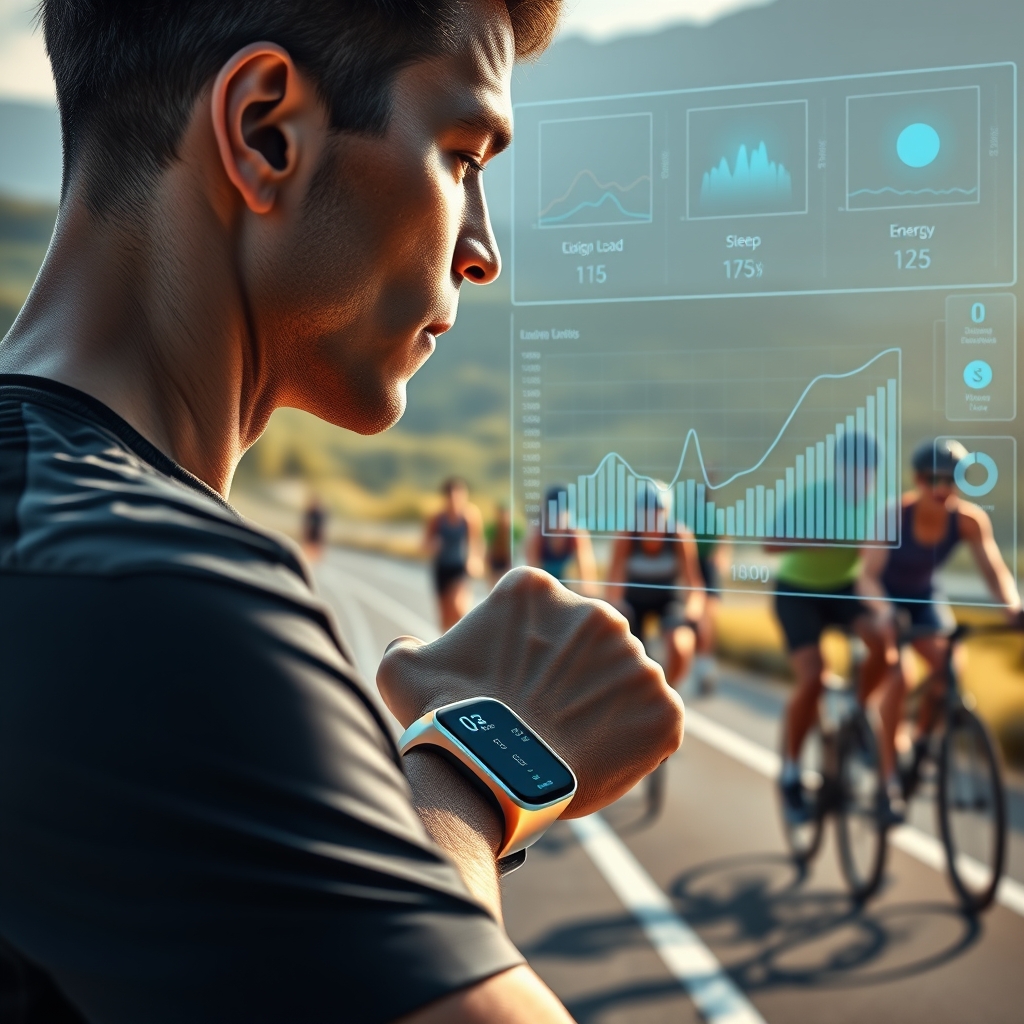
Endurance is not a one-size-fits-all endeavor. The journey to building stamina that lasts is as unique as the individual pursuing it, shaped by genetics, lifestyle, goals, and even the way the mind processes fatigue. Yet, for too long, fitness advice has relied on generic templates—rigid plans that ignore the nuanced interplay between body, mind, and environment. The future of stamina training lies in a more dynamic, personalized approach, one that blends the precision of data-driven insights with the adaptability of human intuition. This is not just about pushing harder; it’s about training smarter, recovering wiser, and evolving continuously.
The Power of Personalization in Stamina Training
Personalized stamina training is more than a buzzword—it’s a paradigm shift. Traditional programs often prescribe the same workouts, recovery times, and nutrition plans to everyone, regardless of their starting point or how their body responds. The result? Plateaus, burnout, or even injury. A tailored approach, however, begins with understanding the individual. It considers baseline fitness levels, metabolic responses, and even psychological factors like motivation and stress resilience. By leveraging tools like wearable tech and performance analytics, athletes and coaches can craft programs that evolve in real time, adjusting intensity, volume, and recovery based on how the body is actually performing—not how it *should* perform according to a static plan.
This level of personalization doesn’t just optimize physical output; it transforms the training experience. When workouts align with an individual’s strengths, weaknesses, and preferences, adherence improves, and the process becomes more enjoyable. It’s the difference between forcing yourself through a generic plan and feeling like your training is *yours*—a journey designed specifically for you, by you (or with the help of a coach who truly understands you).
Data as Your Co-Pilot: The Role of Performance Tracking
Data-driven performance tracking is the backbone of modern stamina training. Wearable devices, heart rate monitors, and GPS trackers provide a wealth of real-time information, from heart rate variability to sleep quality, training load, and recovery status. But data alone is just noise without interpretation. The magic happens when these metrics are analyzed to reveal patterns, identify inefficiencies, and highlight opportunities for improvement. For example, a runner might discover that their performance dips after three consecutive high-intensity sessions, signaling the need for a recovery day. Or a cyclist might notice that their heart rate spikes unusually during certain workouts, pointing to overtraining or inadequate fueling.
The key is to use data as a guide, not a dictator. Numbers can reveal *what* is happening, but they don’t always explain *why*. That’s where human insight comes in. A coach or athlete might recognize that a drop in performance isn’t due to physical fatigue but mental stress, or that a plateau is less about training volume and more about nutrition. By combining quantitative data with qualitative observations, training becomes a collaborative dialogue between the athlete, the coach, and the numbers.
Holistic Endurance: Beyond the Physical
Stamina isn’t just about how long you can run or how much weight you can lift. True endurance is holistic, encompassing physical, mental, and emotional resilience. Cognitive endurance—the ability to maintain focus, motivation, and decision-making under fatigue—is just as critical as physical stamina, especially in sports that demand strategy and adaptability. Techniques like mindfulness training, visualization, and even cognitive load exercises (e.g., solving puzzles during workouts) can sharpen mental endurance, helping athletes push through barriers that might otherwise feel insurmountable.
Similarly, emotional resilience plays a role in how we respond to setbacks, injuries, or plateaus. A training program that ignores the psychological and emotional dimensions of endurance is incomplete. Integrated wellness coaching, which addresses stress management, sleep hygiene, and even social support, can make the difference between a program that fizzles out and one that sustains long-term progress. After all, the strongest athletes aren’t just physically fit—they’re mentally and emotionally equipped to handle the demands of their sport and life.
Adaptive Conditioning: The Art of Listening to Your Body
Adaptive physical conditioning is about more than just adjusting workouts based on data. It’s about cultivating a deep awareness of how your body responds to training, recovery, and external stressors. This means recognizing the difference between discomfort that signals growth and pain that signals harm. It means understanding that recovery isn’t just about rest days but about active strategies like mobility work, hydration, and nutrition that support the body’s ability to bounce back stronger.
Progressive load training is a cornerstone of adaptive conditioning. Instead of increasing intensity or volume arbitrarily, this approach systematically introduces stress in a way that the body can adapt to over time. For example, a runner might start with a base-building phase focused on low-intensity, high-volume runs, then gradually introduce speed work and hill repeats as their body adapts. The goal is to avoid overtraining while continuously challenging the body to improve. Wearable tech can play a crucial role here, providing real-time feedback on metrics like heart rate, cadence, and power output to ensure that each session is pushing the right buttons without overstepping.
Optimized Recovery: The Unsung Hero of Stamina
Recovery is where the real magic of stamina training happens. Without it, even the most well-designed program will fall short. Optimized recovery protocols go beyond passive rest; they’re active strategies that accelerate the body’s ability to repair, rebuild, and adapt. This might include techniques like contrast therapy (alternating hot and cold exposure), compression garments, or even targeted mobility work to address imbalances or tightness. Nutrition, too, plays a critical role. Performance nutrition strategies—such as timing carbohydrate intake around workouts or prioritizing protein for muscle repair—can enhance recovery and prepare the body for the next session.
But recovery isn’t just physical. Mental recovery is equally important, especially for athletes who juggle training with work, family, or other stressors. Practices like meditation, deep breathing, or even digital detoxes can help reset the nervous system, reducing cortisol levels and improving overall resilience. The best recovery protocols are those that address the whole person, not just the muscles and joints.
Sustainable Energy Management: Fueling for the Long Haul
Stamina is, at its core, about energy management. Sustainable energy management ensures that the body has the fuel it needs to perform at its best, not just during a single workout but over the long term. This starts with nutrition—eating the right balance of macronutrients (carbohydrates, proteins, and fats) to support training demands and recovery. But it also extends to lifestyle factors like sleep, hydration, and stress management, all of which influence energy levels.
For endurance athletes, energy management often means strategically timing fuel intake to avoid bonking (hitting the wall) during long sessions. This might involve consuming easily digestible carbohydrates during a marathon or prioritizing protein after a strength session to support muscle repair. Wearable tech can help here, too, by tracking metrics like glucose levels or hydration status in real time, allowing athletes to adjust their fueling strategy on the fly.
Beyond nutrition, sustainable energy management also involves pacing—knowing when to push and when to pull back. This is where cognitive endurance comes into play. The ability to regulate effort, stay focused, and make smart decisions under fatigue can make or break an endurance performance. Techniques like heart rate zone training or perceived exertion scales can help athletes develop this skill, ensuring they’re not burning out too early or leaving energy on the table.
The journey to building unshakable stamina is not a straight line but a dynamic, evolving process. It’s about embracing the uniqueness of your body, leveraging data to guide your decisions, and adapting your approach as you grow. Whether you’re a seasoned athlete or just starting out, the key is to train with intention, recover with purpose, and listen to the signals your body sends. In doing so, you’re not just building stamina—you’re crafting a resilient, adaptable, and enduring version of yourself, one that’s prepared to meet whatever challenges lie ahead.