The Stamina Odyssey: Navigating the Path to Endurance with Data, Adaptability, and Human Insight

In the vast landscape of fitness and performance, the journey to endurance is as unique as the individual embarking upon it. It’s a path that requires not just physical prowess, but also a deep understanding of one’s body, mind, and the ever-evolving world of sports science. This odyssey is not a sprint, but a marathon, and it’s in this marathon that data-driven performance tracking, adaptive physical conditioning, and human-centric insights become our trusty companions.
Data-Driven Performance Tracking: The Compass of Your Journey
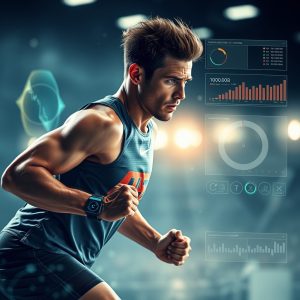
Imagine setting out on a journey without a map. It’s a daunting prospect, isn’t it? Similarly, without data-driven performance tracking, our path to endurance can be fraught with uncertainty. This compass, in the form of wearable technology and real-time activity feedback, provides us with a detailed map of our progress, our strengths, and our areas for improvement.
Wearable tech, from fitness trackers to advanced biofeedback devices, offers a wealth of information. It tracks our heart rate, calories burned, distance covered, and even our sleep patterns. This data is not just about numbers; it’s about understanding our body’s response to the demands we place upon it. It’s about recognizing the subtle shifts that occur as we push our limits, and it’s about using this knowledge to refine our approach.
Adaptive Physical Conditioning: The Ever-Responsive Path
Endurance is not a static goal; it’s a dynamic process that evolves with our body and our experiences. Adaptive physical conditioning is about recognizing this dynamism and responding to it. It’s about understanding that what worked yesterday may not work today, and that our body’s response to training is as unique as we are.
Adaptive conditioning involves a variety of strategies, from progressive load training to tailored fitness journeys. It’s about challenging our body in ways that it’s ready to handle, and then gradually increasing the intensity or duration of that challenge. It’s about respecting our body’s limits, and pushing just beyond them. It’s about building a resilient, adaptable body that can handle the ups and downs of the endurance journey.
Human-Centric Insights: The Soul of the Journey
While data and adaptability provide the structure and direction of our journey, it’s the human-centric insights that give it meaning. It’s about understanding our body’s unique response to training, our individual goals, and our personal journey. It’s about recognizing that endurance is not just about physical performance, but also about mental resilience, emotional well-being, and overall quality of life.
Integrated wellness coaching and sustainable energy management are key components of this human-centric approach. They involve a holistic view of our health and well-being, and they emphasize the importance of recovery, nutrition, and lifestyle choices in our journey to endurance. They remind us that our body is not just a machine to be pushed to its limits, but also a temple to be nurtured and cared for.
In the grand tapestry of endurance, data, adaptability, and human insight are the threads that weave together a unique, personalized journey. They guide us, challenge us, and support us as we navigate the path to endurance. They remind us that our journey is not just about reaching a destination, but also about the experiences, the lessons, and the growth that we encounter along the way. So, let’s embark on this odyssey, with data as our compass, adaptability as our guide, and human insight as our soul. Let’s strive for endurance, not just as a physical goal, but also as a testament to our resilience, our adaptability, and our human spirit.