
The Stamina Renaissance: How Adaptive Conditioning and Human-Centric Design Are Crafting the Future of Endurance
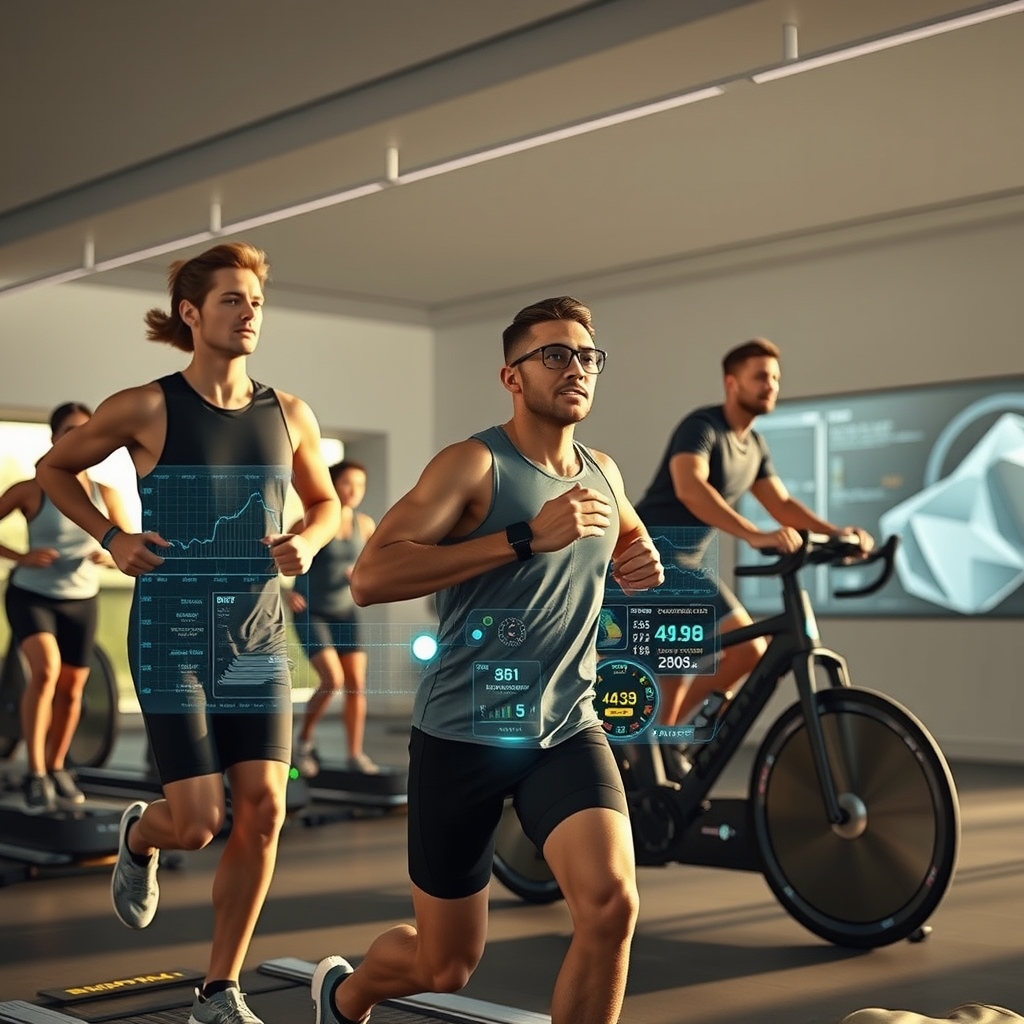
In a world where endurance is no longer just about pushing harder but about training smarter, a quiet revolution is unfolding—one that blends cutting-edge science with deeply human intuition. The pursuit of stamina has evolved from rigid, one-size-fits-all regimens into a dynamic, personalized journey where every heartbeat, every stride, and every recovery moment is an opportunity for growth. This is not just about building physical resilience; it’s about crafting a system where the body, mind, and technology work in harmony to unlock potential that was once thought unreachable.
The Rise of Adaptive Physical Conditioning
Gone are the days when endurance training meant endless, monotonous miles or lifting weights until exhaustion. Today, adaptive physical conditioning is redefining what it means to build stamina by tailoring workouts to the individual’s unique physiology, goals, and even daily fluctuations in energy. This approach leverages real-time data from wearable tech—heart rate variability, oxygen saturation, muscle fatigue—to adjust intensity, duration, and recovery in the moment. The result? Training that is not only more effective but also sustainable, reducing the risk of injury and burnout while maximizing performance gains.
Imagine a runner whose smartwatch detects early signs of fatigue and automatically suggests a shift from high-intensity intervals to a steady-state jog, or a cyclist whose power meter adjusts resistance in real time to maintain optimal output without overexertion. This is the power of adaptive conditioning: a fluid, responsive system that meets the athlete where they are, not where a generic plan assumes they should be.
The Human-Centric Approach to Recovery
Stamina is not built in the gym or on the track alone; it is forged in the moments of rest that follow. Yet, recovery has long been an afterthought in traditional training programs, often relegated to a passive, one-size-fits-all approach. The shift toward human-centric recovery protocols is changing that narrative, recognizing that true endurance is as much about how well you bounce back as it is about how hard you push.
Optimized recovery is now a science in itself, with protocols tailored to individual needs based on data-driven insights. Sleep tracking, for instance, reveals patterns in rest quality, allowing athletes to adjust bedtime routines or environmental factors to enhance deep sleep—the phase most critical for muscle repair and cognitive function. Similarly, wearable tech can monitor stress levels, suggesting mindfulness exercises or breathing techniques when cortisol spikes, ensuring that recovery is as active and intentional as the training itself.
But recovery is not just physiological; it’s psychological. The integration of cognitive endurance techniques—such as visualization, mental resilience training, and even neurofeedback—helps athletes maintain focus, manage stress, and sustain motivation over the long haul. This holistic approach ensures that the mind is as conditioned as the body, creating a foundation for stamina that is truly unshakable.
The Role of Wearable Tech in Shaping Smarter Training
Wearable technology has moved from a novelty to a necessity in the world of endurance training. Devices that once simply tracked steps or heart rate now offer a comprehensive, real-time snapshot of an athlete’s performance, providing insights that were once accessible only to elite labs. From smart fabrics that monitor muscle activation to advanced GPS watches that analyze running form, these tools are democratizing access to data that can transform how we train.
One of the most powerful applications of wearable tech is in progressive load training. By continuously monitoring an athlete’s response to increasing workloads, these devices can predict the optimal point at which to push harder or dial back, preventing plateaus and overtraining. This creates a training journey that is not only personalized but also scalable, adapting as the athlete evolves. Whether you’re a weekend warrior or a professional athlete, the ability to train with this level of precision is a game-changer.
Beyond performance, wearable tech is also playing a pivotal role in injury prevention. By analyzing movement patterns and biomechanics, these devices can identify imbalances or inefficiencies that might lead to injury if left unaddressed. For example, a runner with a slight asymmetry in their stride might receive targeted strength exercises to correct the imbalance before it becomes a problem. This proactive approach to training ensures that stamina is built on a foundation of durability, not just intensity.
Nutrition as the Fuel for Sustainable Stamina
No discussion of endurance would be complete without addressing the role of nutrition. Performance nutrition strategies have evolved far beyond the old adage of “carbs for energy.” Today, the focus is on fueling the body in a way that supports sustained energy, rapid recovery, and long-term health. This means not just what you eat, but when and how you eat it—tailored to your training load, metabolic rate, and even genetic predispositions.
Data-driven nutrition takes the guesswork out of fueling. Wearable devices that track glucose levels, for instance, can provide real-time feedback on how different foods affect energy availability, allowing athletes to fine-tune their diets for optimal performance. Similarly, apps that analyze macronutrient intake can suggest adjustments based on training intensity, ensuring that the body has the right balance of carbohydrates, proteins, and fats to support endurance without unnecessary weight gain or energy crashes.
But nutrition is not just about performance; it’s about sustainability. The rise of plant-based diets, personalized meal plans, and even lab-grown proteins reflects a growing awareness that the fuel we choose has implications far beyond the finish line. Sustainable energy management is about making choices that support not only our stamina but also the health of the planet, creating a ripple effect that extends far beyond the individual athlete.
The Power of Collaborative Fitness Planning
Endurance training is no longer a solitary pursuit. The rise of collaborative fitness planning—where athletes, coaches, and even AI-driven platforms work together to design training programs—is transforming the way we approach stamina. This model leverages the strengths of each participant: the athlete’s lived experience, the coach’s expertise, and the data-driven insights of technology, creating a synergy that is greater than the sum of its parts.
Collaborative planning also fosters accountability and motivation. When an athlete knows that their progress is being monitored and adjusted in real time by a team of experts (or even a virtual coach), they are more likely to stay committed to their goals. This is particularly valuable in the context of behavioral fitness change, where the challenge is not just physical but psychological. By integrating techniques from behavioral science—such as habit stacking, gamification, and social support—collaborative fitness planning makes the journey toward stamina more engaging and sustainable.
Moreover, this approach is inherently scalable. Whether you’re training for your first 5K or your tenth marathon, the principles of adaptive conditioning, data-driven performance tracking, and human-centric recovery remain the same. The difference lies in the execution, which is tailored to the individual’s starting point, goals, and progress. This ensures that the path to stamina is not just effective but also inclusive, welcoming athletes of all levels into the fold.
The future of endurance is not about who can push the hardest or endure the most pain. It’s about who can train the smartest—who can listen to their body, leverage technology, and integrate the latest science into a system that is as unique as they are. This is the stamina renaissance: a movement that celebrates the fusion of human intuition and technological innovation, creating a new paradigm where endurance is not just a measure of physical capacity but a testament to the power of adaptability, resilience, and mindful progress. As we continue to explore the boundaries of what the human body can achieve, one thing is clear: the next frontier of stamina is not just about going farther or faster, but about doing so in a way that is sustainable, intelligent, and deeply human.