Smart Drug Delivery: The Future of Medicine with Nanotechnology and Wearables
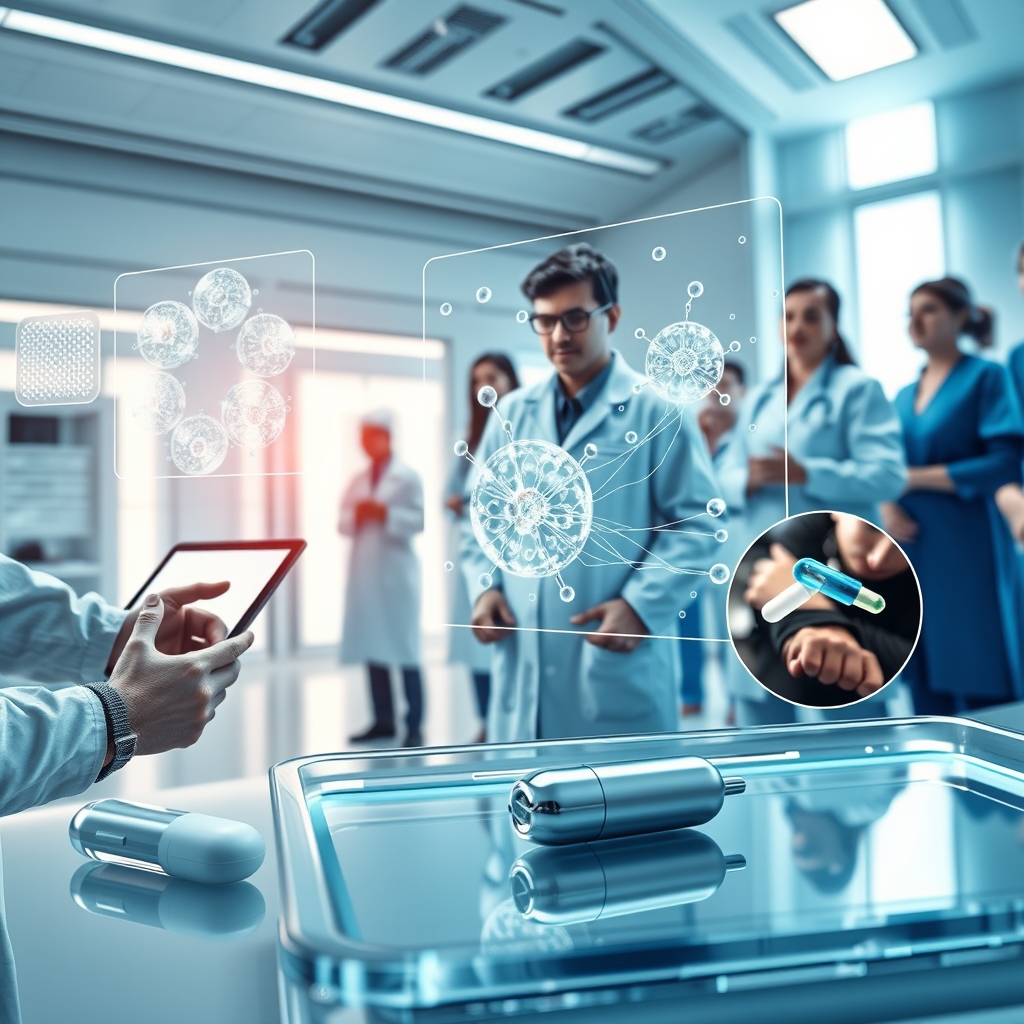
The landscape of modern medicine is undergoing a radical transformation, driven by breakthroughs in smart drug delivery systems. These innovations promise to revolutionize how we administer treatments, making therapies more precise, less invasive, and tailored to individual patient needs. From nanoparticle-based therapies to wearable devices that monitor and release medication in real time, the future of medicine is not just about what drugs we take—but how, when, and where they are delivered.
The Rise of Nanotechnology in Drug Delivery
Nanotechnology has emerged as a game-changer in drug delivery, offering unprecedented control over how medications interact with the body. Nanoparticles—tiny structures measured in billionths of a meter—can be engineered to target specific cells, tissues, or even pathogens with remarkable accuracy. This precision minimizes side effects and enhances the efficacy of treatments, particularly in complex diseases like cancer.
One of the most promising applications of nanoparticle-based drug delivery is in oncology. Traditional chemotherapy often damages healthy cells alongside cancerous ones, leading to severe side effects. However, nanoparticles can be designed to carry chemotherapy drugs directly to tumor sites, sparing healthy tissue. For example, lipid nanoparticles have been successfully used in mRNA-based COVID-19 vaccines, demonstrating their potential to deliver therapeutic payloads with high efficiency. Researchers are now exploring their use in delivering gene therapies and immunotherapies, opening new frontiers in personalized cancer treatment.
Implantable Drug Pumps: A Leap Forward in Chronic Disease Management
For patients with chronic conditions like diabetes or chronic pain, managing medication can be a daily struggle. Implantable drug pumps offer a solution by providing continuous, controlled delivery of drugs directly to the affected area. These devices, often no larger than a pacemaker, can be programmed to release precise doses at specific intervals, reducing the need for frequent injections or oral medications.
In diabetes management, implantable insulin pumps have already shown significant promise. These devices monitor blood glucose levels in real time and adjust insulin delivery accordingly, mimicking the function of a healthy pancreas. Similarly, for chronic pain sufferers, intrathecal drug pumps deliver pain-relieving medications directly to the spinal cord, offering relief with minimal systemic side effects. The precision of these systems not only improves patient outcomes but also enhances quality of life by reducing the burden of self-administered treatments.
Ingestible Sensors: The Next Frontier in Patient Monitoring
Imagine swallowing a pill that not only delivers medication but also tracks how your body responds to it. Ingestible sensors are making this a reality. These tiny, digestible devices can monitor vital signs, detect biomarkers, and even confirm whether a patient has taken their medication as prescribed. For conditions like hypertension or mental health disorders, where adherence to medication is critical, ingestible sensors provide a non-invasive way to ensure patients stay on track.
One notable example is the FDA-approved Abilify MyCite, a digital pill that contains an ingestible sensor. When swallowed, the sensor communicates with a wearable patch, which then transmits data to a smartphone app. This system allows healthcare providers to monitor medication adherence in real time, particularly useful for patients with schizophrenia or bipolar disorder. Beyond mental health, researchers are exploring ingestible sensors for monitoring gut health, detecting early signs of infection, or even tracking the progression of neurodegenerative diseases like Parkinson’s.
Wearable Technology: Bridging the Gap Between Monitoring and Delivery
Wearable devices have already transformed how we track fitness and health metrics, but their role in drug delivery is just beginning to unfold. Smart wearables, such as patches or watches, can now integrate sensors and micro-needles to deliver medications transdermally—through the skin—while simultaneously monitoring the body’s response. This closed-loop system ensures that drug delivery is dynamic, adjusting in real time to the patient’s needs.
For instance, wearable insulin pumps for diabetics can automatically adjust insulin doses based on continuous glucose monitoring. Similarly, smart patches are being developed to deliver pain relief or anti-inflammatory drugs in response to physiological signals. These advancements are particularly valuable for elderly patients or those with mobility issues, as they reduce the need for manual intervention and empower individuals to manage their health independently.
Regulatory Hurdles and the Path to Patient Adoption
Despite the immense potential of smart drug delivery systems, their widespread adoption faces significant challenges. Regulatory agencies like the FDA and EMA must balance innovation with safety, ensuring that these technologies undergo rigorous testing before reaching patients. The approval process for nanotechnology-based therapies, for example, is complex due to concerns about long-term toxicity and unintended interactions within the body. Similarly, ingestible sensors and implantable devices must demonstrate not only efficacy but also cybersecurity resilience to protect patient data.
Patient adoption is another critical factor. While younger, tech-savvy individuals may embrace wearable or ingestible technologies, older populations or those in low-resource settings may face barriers such as cost, accessibility, or distrust of new technologies. Education and user-friendly design will be key to overcoming these challenges. Healthcare providers must also adapt, integrating these tools into clinical workflows and ensuring that patients receive adequate support in using them.
As these technologies mature, collaboration between researchers, regulators, and industry leaders will be essential to navigate the ethical, legal, and practical considerations. The goal is not just to create cutting-edge tools but to ensure they are accessible, safe, and truly beneficial to patients worldwide. The future of medicine is not a distant dream—it is being shaped today, one nanoparticle, one sensor, and one wearable device at a time. The promise of smarter, more personalized drug delivery is within reach, offering hope for better outcomes and a higher quality of life for millions.