The Future of Medicine: How AI and Targeted Therapies Are Revolutionizing Drug Development
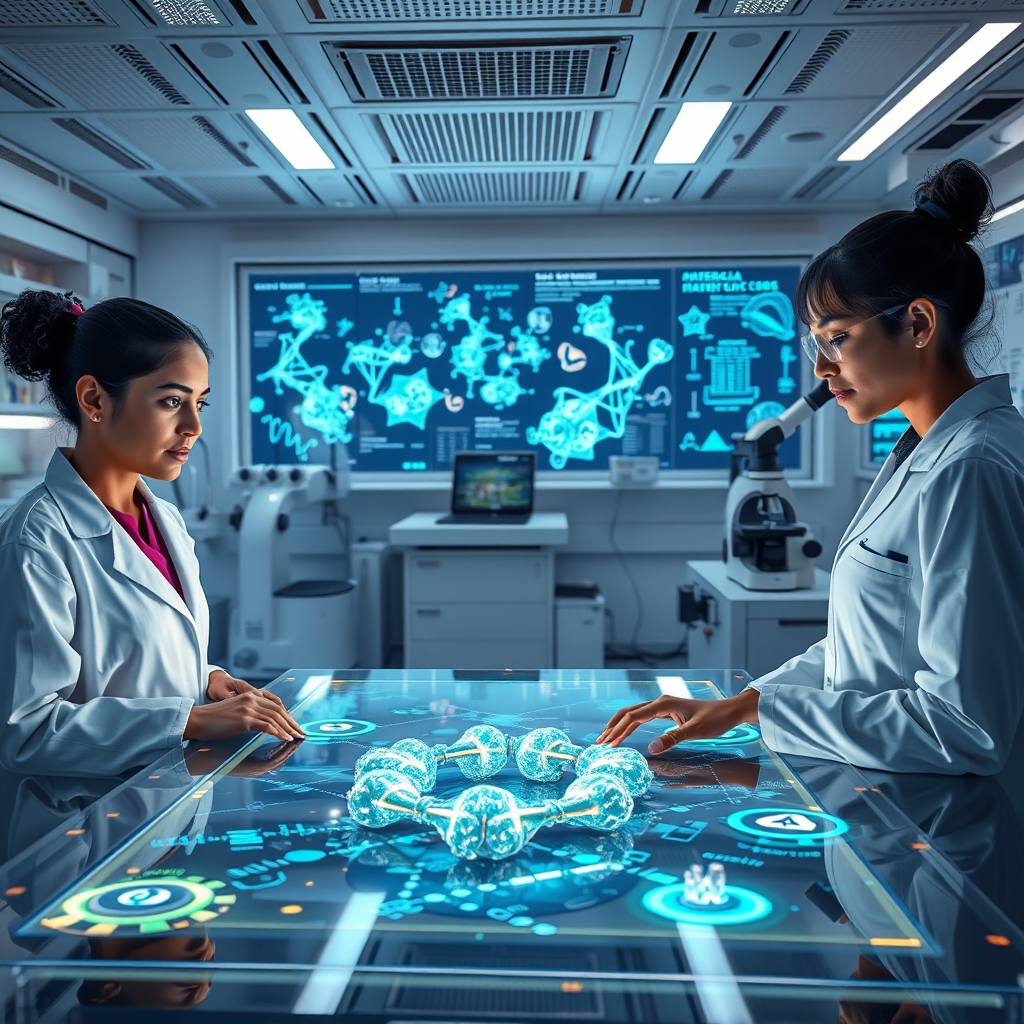
The landscape of modern medicine is undergoing a seismic shift, driven by breakthroughs in artificial intelligence (AI) and precision drug therapies. No longer are we confined to the one-size-fits-all approach of traditional pharmaceuticals. Instead, a new era of targeted drug therapies and smart drug delivery systems is emerging, promising treatments that are not only more effective but also tailored to the unique genetic and biological makeup of individual patients. This transformation is not just improving outcomes for conditions like cancer and rare diseases but is also redefining what’s possible in preventative health and longevity.
The Rise of AI in Drug Discovery
At the heart of this revolution is AI drug discovery, a field that leverages machine learning and big data to accelerate the development of new medications. Traditional drug discovery is a lengthy and costly process, often taking over a decade and billions of dollars to bring a single drug to market. AI is changing that by analyzing vast datasets—from genetic sequences to clinical trial results—to identify potential drug candidates in a fraction of the time. For example, AI algorithms can predict how a molecule will interact with a target protein, significantly narrowing down the pool of candidates before human researchers even step in.
One of the most notable successes in this space is the development of messenger RNA (mRNA) therapeutics, which gained global attention during the COVID-19 pandemic. AI played a crucial role in designing the mRNA sequences used in vaccines, optimizing them for stability and efficacy. Beyond vaccines, mRNA therapies are now being explored for a range of conditions, including cancer and rare genetic disorders, offering a flexible and rapid-response platform for drug development.
Precision Medicine: Targeted Therapies for Individual Needs
Gone are the days when patients with the same diagnosis received identical treatments. Targeted drug therapies are now enabling doctors to prescribe medications based on a patient’s genetic profile, lifestyle, and even the specific molecular characteristics of their disease. This approach is particularly transformative in oncology, where cancer immunotherapy drugs and monoclonal antibody treatments are designed to attack tumor cells while sparing healthy tissue. For instance, drugs like pembrolizumab (Keytruda) have revolutionized the treatment of certain cancers by harnessing the body’s immune system to target and destroy malignant cells.
Similarly, gene therapy therapeutics are offering hope for patients with previously untreatable genetic disorders. By editing or replacing faulty genes, these therapies can correct the underlying cause of a disease rather than just managing its symptoms. The approval of Luxturna, a gene therapy for inherited retinal dystrophy, marked a milestone in this field, proving that gene editing can restore vision in patients with a rare genetic mutation. As research advances, gene therapies are expected to expand into areas like cardiovascular disease and neurodegenerative disorders, potentially curing conditions that were once considered irreversible.
The Promise of Smart Drug Delivery Systems
Even the most effective drug is only as good as its delivery system. This is where smart drug delivery technologies come into play. Nanoparticle-based systems, for example, can transport medications directly to diseased cells, minimizing side effects and improving efficacy. These nanoparticle medicine delivery systems are being used to enhance the precision of chemotherapy, ensuring that toxic drugs target only cancer cells while leaving healthy tissue unharmed. Additionally, RNA interference (RNAi) therapies are being developed to silence specific genes involved in disease, offering a highly targeted approach to treatment.
Another exciting development is the rise of prescription digital therapeutics, which combine software and medication to treat conditions like diabetes, mental health disorders, and even substance abuse. These digital tools can monitor patient adherence, provide real-time feedback, and adjust treatment plans dynamically, creating a more personalized and responsive healthcare experience. For example, apps that deliver cognitive behavioral therapy (CBT) alongside medication have shown promise in treating depression and anxiety, bridging the gap between pharmaceuticals and behavioral health.
Beyond Treatment: The Frontier of Preventative and Longevity Medicine
While much of the focus in drug development has been on treating existing diseases, there is a growing emphasis on preventative health medications and longevity drug research. Scientists are exploring compounds that can delay aging, reduce inflammation, and protect against chronic diseases like Alzheimer’s and heart disease. Metformin, a drug traditionally used to treat type 2 diabetes, is now being studied for its potential to extend lifespan and improve healthspan—the period of life spent free from disease. Similarly, senolytic drugs, which target and eliminate senescent (aging) cells, are showing promise in preclinical studies for their ability to reverse age-related damage.
In the realm of cognitive health, cognitive enhancement nootropics are gaining attention for their potential to improve memory, focus, and mental clarity. While still a controversial area, research into compounds like modafinil and racetams is shedding light on how these drugs might be used to enhance brain function in healthy individuals or slow cognitive decline in aging populations. As our understanding of the brain deepens, the line between treatment and enhancement may blur, raising ethical questions about the future of cognitive augmentation.
Challenges and Ethical Considerations
Despite these advancements, the path forward is not without challenges. The high cost of personalized drug compounding and orphan drug development—medications for rare diseases—poses significant barriers to accessibility. Additionally, the rapid pace of innovation raises ethical questions about data privacy, genetic discrimination, and the equitable distribution of cutting-edge therapies. For example, clinical psychedelic research is uncovering the therapeutic potential of substances like psilocybin and MDMA for conditions like PTSD and depression, but regulatory hurdles and societal stigma remain significant obstacles.
Moreover, the integration of AI into drug discovery introduces concerns about bias in algorithms and the transparency of decision-making processes. If AI models are trained on datasets that lack diversity, they may inadvertently favor treatments that work best for certain populations, exacerbating healthcare disparities. Addressing these issues will require collaboration between researchers, policymakers, and ethicists to ensure that the benefits of these technologies are realized equitably.
The fusion of AI, precision medicine, and innovative drug delivery systems is reshaping the future of healthcare, offering hope for conditions that were once deemed untreatable. From biologic medicine innovation to next-generation antibiotics, the possibilities are vast and transformative. As these technologies continue to evolve, they hold the potential to not only extend our lifespans but also improve the quality of our lives, ushering in an era where medicine is as unique as the individuals it serves. The journey has just begun, and the next decade promises to be one of unprecedented discovery and healing.