The Blueprint for a Functional Physique: How Resistance Training and Metabolic Optimization Redefine Body Recomposition
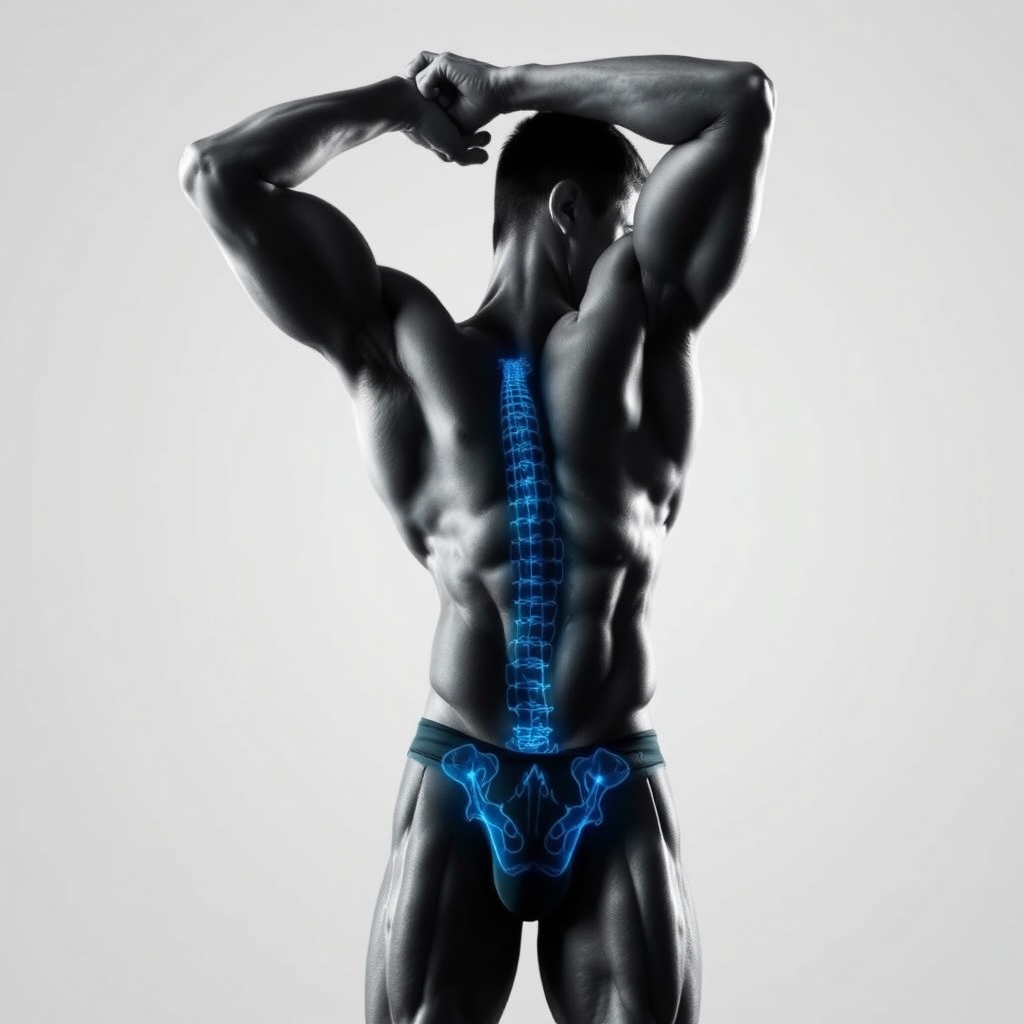
Body recomposition—the art of simultaneously losing fat and building lean muscle—is often seen as the holy grail of fitness. Yet, many struggle to achieve it because they focus on isolated goals: bulking phases that add unwanted fat or cutting phases that sacrifice hard-earned muscle. The truth is, body recomposition isn’t about extremes; it’s about precision. By integrating resistance training with metabolic rate optimization, you can sculpt a functional physique that’s as strong as it is aesthetic.
The Foundation: Resistance Training for Hypertrophy and Strength
Resistance training is the cornerstone of body recomposition. Unlike traditional bodybuilding splits that prioritize volume for hypertrophy alone, a functional physique demands a balance between muscle growth and strength. Progressive overload—gradually increasing the weight, reps, or intensity of your lifts—is non-negotiable. Studies show that lifting heavier weights with lower reps (4-6 range) stimulates myofibrillar hypertrophy, enhancing strength and muscle density, while moderate weights with higher reps (8-12 range) promote sarcoplasmic hypertrophy, increasing muscle size.
But resistance training isn’t just about lifting weights. Functional movements like squats, deadlifts, pull-ups, and overhead presses engage multiple muscle groups, improving core stability and athletic conditioning. These compound lifts trigger a greater hormonal response, boosting testosterone and growth hormone levels, which are critical for muscle protein synthesis and fat loss. For those aiming for a functional physique, incorporating unilateral exercises (single-leg squats, single-arm presses) can correct imbalances and enhance movement efficiency.
Programming for Recomposition: The Hybrid Approach
A well-structured resistance training program for body recomposition should blend hypertrophy-focused work with strength and power elements. For example, a 4-day split might include:
- Day 1: Lower Body Strength – Heavy squats, deadlifts, and lunges (4-6 reps, 3-4 sets).
- Day 2: Upper Body Hypertrophy – Bench press, rows, and lateral raises (8-12 reps, 3-4 sets).
- Day 3: Active Recovery or Metabolic Conditioning – Light resistance circuits, mobility work, or HIIT.
- Day 4: Full-Body Functional Training – Kettlebell swings, battle ropes, and bodyweight circuits (12-15 reps, 3 sets).
This hybrid approach ensures you’re building muscle while maintaining (or even increasing) strength, all while keeping your metabolic rate elevated. The key is to avoid stagnation by rotating exercises every 4-6 weeks and adjusting volume and intensity based on recovery and progress.
Metabolic Rate Optimization: The Catalyst for Fat Loss
While resistance training builds the foundation, metabolic rate optimization is what accelerates fat loss without sacrificing muscle. Your metabolic rate is influenced by several factors, including muscle mass, activity level, and diet. Here’s how to leverage them:
1. Prioritize Protein and Macronutrient Tracking
Muscle protein synthesis (MPS) is the process by which your body repairs and builds muscle tissue. To maximize MPS, aim for 1.6-2.2 grams of protein per kilogram of body weight daily. Lean sources like chicken, fish, eggs, and plant-based options (tofu, lentils) should dominate your diet. Pair protein with complex carbohydrates (oats, sweet potatoes) and healthy fats (avocados, nuts) to fuel workouts and support recovery.
Macronutrient tracking isn’t about obsession—it’s about awareness. Apps like MyFitnessPal or Cronometer can help you stay in a slight caloric deficit (10-20% below maintenance) while ensuring you’re hitting your protein targets. This deficit is crucial for fat loss, but it must be modest to preserve muscle. For those struggling with hunger, increasing fiber intake (vegetables, legumes) can enhance satiety without adding excess calories.
2. Leverage High-Intensity Interval Training (HIIT)
HIIT is a game-changer for metabolic rate optimization. Short bursts of intense exercise (20-30 seconds) followed by brief rest periods (10-20 seconds) elevate your heart rate and trigger excess post-exercise oxygen consumption (EPOC), also known as the