The Invisible Edge: How Human-Centric Stamina Training and Real-Time Feedback Are Redefining Athletic Mastery
In the relentless pursuit of athletic excellence, the difference between good and great often lies in the unseen details. The modern athlete is no longer defined solely by raw effort or genetic advantage but by the precision with which they harness technology, science, and self-awareness. At the heart of this evolution is a shift toward human-centric stamina training—a philosophy that places the individual at the core of every decision, from workout intensity to recovery strategies. This approach doesn’t just optimize performance; it redefines what it means to push the limits of human endurance.
The Rise of Human-Centric Training
Traditional training methods often follow a one-size-fits-all model, where athletes are expected to adapt to rigid programs rather than the other way around. However, the most groundbreaking advancements in endurance sports are now rooted in personalized stamina training, where every variable—from heart rate variability to sleep quality—is tailored to the athlete’s unique physiology. This isn’t just about customization; it’s about creating a symbiotic relationship between the athlete and their training regimen, where feedback loops continuously refine and adapt the process.
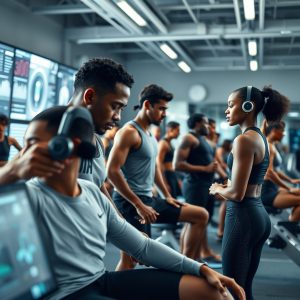
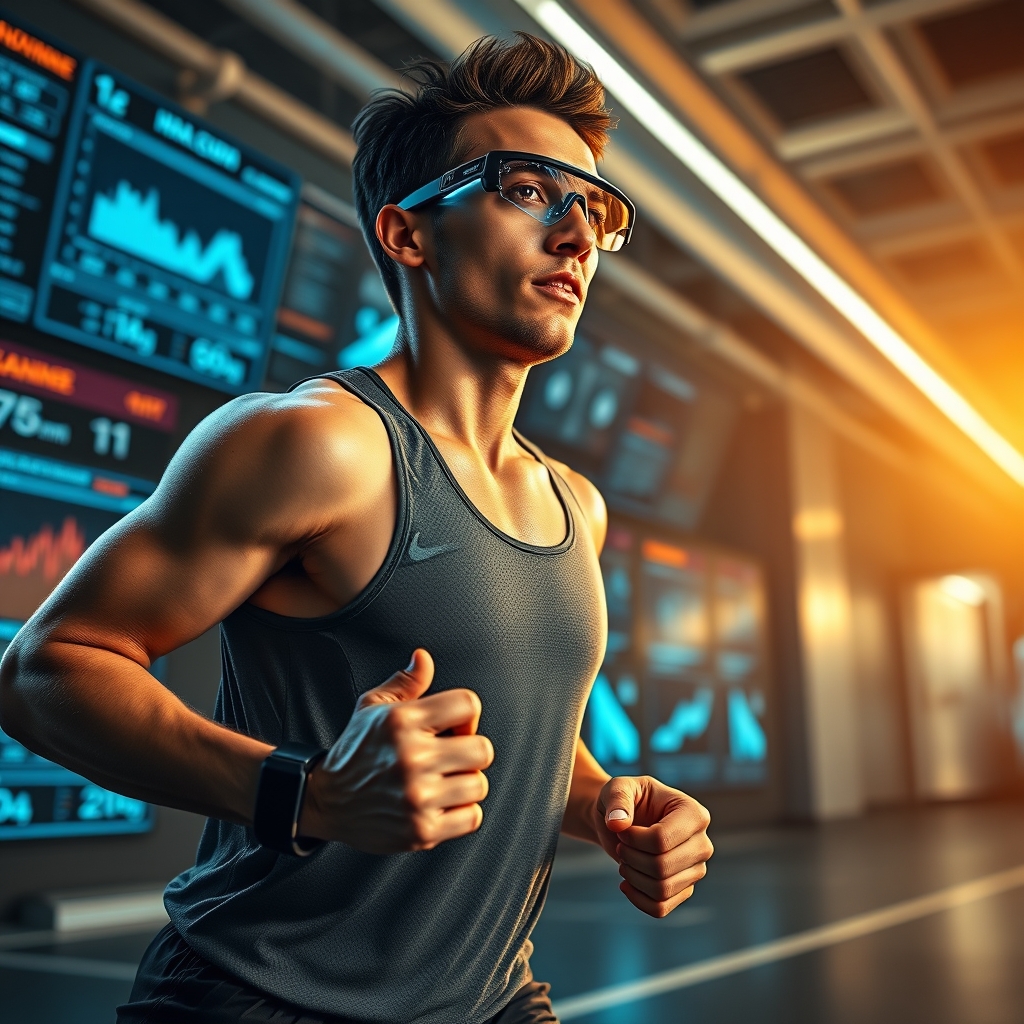
Wearable tech has become the cornerstone of this revolution. Devices that monitor real-time activity feedback—such as heart rate, oxygen saturation, and movement efficiency—provide a live stream of data that was once accessible only in laboratory settings. This immediacy allows athletes and coaches to make split-second adjustments, turning every session into an opportunity for optimization. The result? Training that is not only more effective but also more sustainable, reducing the risk of overtraining and injury while maximizing gains.
The Science of Adaptive Conditioning
Adaptive physical conditioning takes personalization a step further by dynamically adjusting training loads based on an athlete’s current state. Unlike static programs that follow a predetermined progression, adaptive conditioning uses data-driven performance tracking to modulate intensity, volume, and recovery in real time. For example, if an athlete’s heart rate variability indicates fatigue, the system might reduce the day’s load or shift focus to active recovery. Conversely, if the data shows readiness, the intensity can be ramped up to capitalize on peak performance windows.
This approach is particularly powerful in progressive load training, where the goal is to gradually increase stress on the body while allowing adequate time for adaptation. By leveraging algorithms and machine learning, adaptive conditioning ensures that athletes are always training at the edge of their capabilities—without crossing into the territory of burnout. It’s a delicate balance, but one that is now achievable with unprecedented precision.
The Role of Cognitive Endurance
Endurance isn’t just a physical challenge; it’s a mental one. The ability to sustain focus, manage discomfort, and maintain motivation over long periods is what separates elite athletes from the rest. Cognitive endurance enhancement is an emerging field that explores how mental training—such as mindfulness, visualization, and stress inoculation—can complement physical conditioning. Studies have shown that athletes who incorporate cognitive training into their routines not only perform better under pressure but also recover faster and experience less mental fatigue.
One of the most exciting developments in this space is the integration of neurofeedback into training programs. By monitoring brainwave activity, athletes can learn to regulate their mental states in real time, achieving a level of control that was once thought impossible. When combined with performance nutrition strategies—such as targeted supplementation to support brain function—the results can be transformative. The mind and body are no longer treated as separate entities but as interconnected systems that must be trained in harmony.
Optimized Recovery: The Unsung Hero of Stamina
Recovery is where the real magic happens. Without it, even the most meticulously designed training program will fall short. Optimized recovery protocols are now being tailored to the individual, taking into account factors like sleep architecture, muscle soreness, and hormonal balance. Techniques such as cryotherapy, compression therapy, and personalized sleep coaching are no longer luxuries but essential components of a high-performance regimen.
Wearable tech plays a pivotal role here as well. Devices that track sleep stages, recovery metrics, and even respiratory patterns provide a comprehensive picture of an athlete’s readiness to train. This data is then used to fine-tune recovery strategies, ensuring that the body is always primed for the next challenge. The goal isn’t just to recover faster but to recover smarter, turning downtime into an active part of the training process.
Integrated Wellness: Beyond the Physical
True stamina is built on a foundation of holistic well-being. Integrated wellness coaching addresses the often-overlooked aspects of an athlete’s life, such as stress management, nutrition, and emotional resilience. Coaches now work alongside athletes to create sustainable energy management plans that extend beyond the gym or track. This might include strategies for balancing training with work or family life, or techniques for maintaining motivation during periods of stagnation.
Nutrition, in particular, has evolved from a one-size-fits-all approach to a highly individualized science. Performance nutrition strategies now consider factors like gut health, metabolic flexibility, and even genetic predispositions to optimize fueling strategies. The result is a diet that not only supports physical performance but also enhances cognitive function and recovery.
The Future of Stamina: A Collaborative Journey
The most successful athletes of the future won’t be those who train the hardest but those who train the smartest. Collaborative fitness planning is emerging as a key trend, where athletes, coaches, and even AI-driven platforms work together to create dynamic, responsive training programs. This collaborative approach ensures that every decision is informed by data, experience, and the athlete’s personal goals.
Scalable training programs are making this level of personalization accessible to athletes at all levels, from weekend warriors to professionals. By democratizing access to advanced tools and expertise, the barriers to high-performance training are being dismantled. The result is a new era of stamina training—one that is inclusive, adaptive, and deeply human-centric.
As technology continues to advance, the line between athlete and machine will blur, but the human element will remain at the center. The future of stamina isn’t about replacing the athlete’s intuition with algorithms; it’s about augmenting their natural abilities with precision, insight, and a deep understanding of what it means to be human. In this new paradigm, every workout, every recovery session, and every decision is an opportunity to push the boundaries of what’s possible—one data point at a time.