The Synergy of Plant-Based Nutrition and Digital Wellness: A New Era of Preventive Metabolic Health
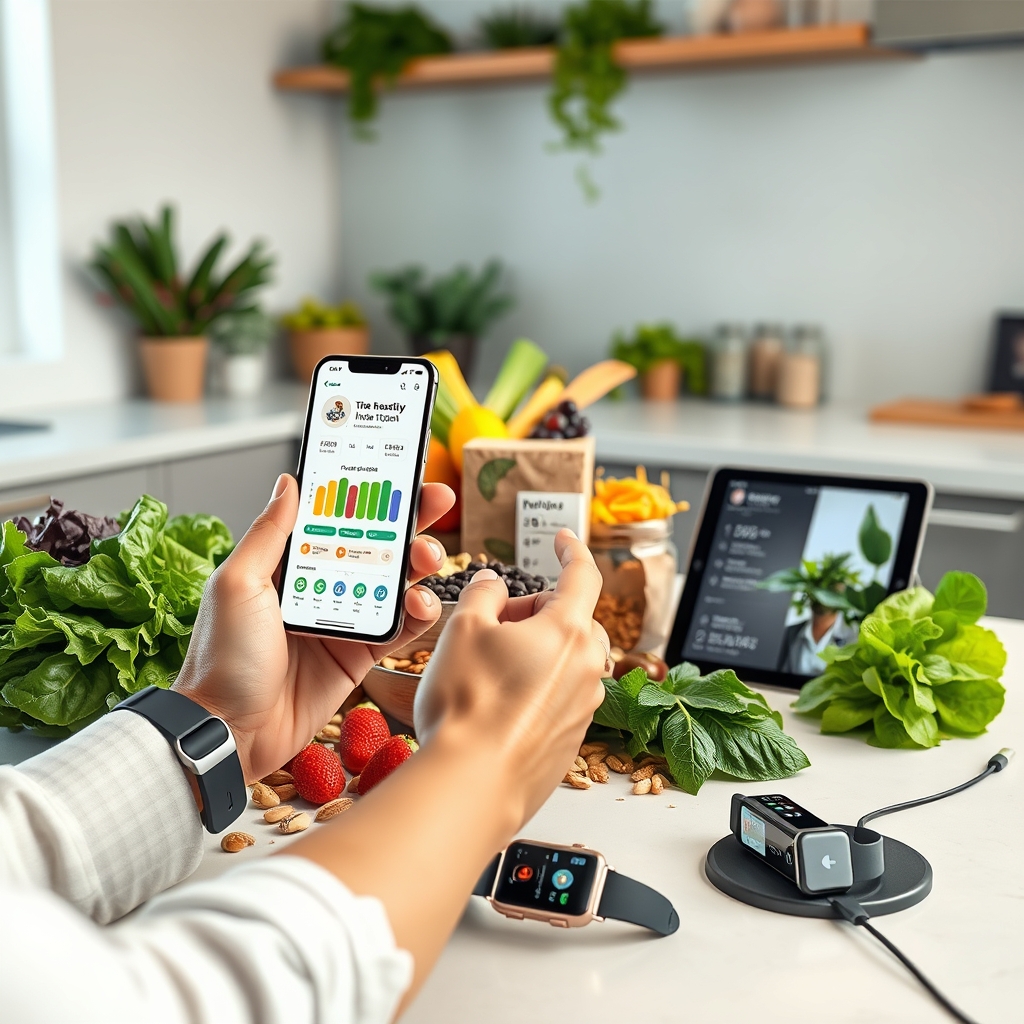
In an age where technology and health intersect more seamlessly than ever, the fusion of plant-based nutrition and digital wellness is emerging as a powerful force in preventive care. This dynamic duo is not just about what we eat or how we track our health—it’s about how these elements work in harmony to optimize metabolic health, enhance immune support, and foster long-term well-being. As we navigate a world increasingly driven by data and personalized insights, the integration of these two domains offers a holistic approach to health that is both proactive and empowering.
The Rise of Plant-Based Nutrition in Metabolic Health
Plant-based nutrition has long been celebrated for its myriad health benefits, from reducing inflammation to improving cardiovascular wellness. Recent advancements in nutritional science have further illuminated its role in metabolic health, particularly in glucose optimization and insulin sensitivity. Diets rich in whole, plant-based foods—such as leafy greens, legumes, nuts, and whole grains—are associated with lower risks of type 2 diabetes, obesity, and metabolic syndrome. These foods are packed with fiber, antioxidants, and phytonutrients, which collectively support a healthy gut microbiome and stabilize blood sugar levels.
Moreover, the shift toward plant-based eating is not just a dietary choice but a lifestyle movement. It aligns with ethical, environmental, and health-conscious values, making it a sustainable option for long-term wellness. However, the challenge lies in ensuring that individuals adopt a balanced and nutrient-dense plant-based diet, rather than one reliant on processed alternatives. This is where digital wellness tools come into play, offering guidance, tracking, and personalized recommendations to make plant-based nutrition more accessible and effective.
Digital Wellness: The Catalyst for Personalized Preventive Care
Digital wellness encompasses a broad spectrum of technologies designed to monitor, analyze, and improve health outcomes. From wearable fitness trackers that measure heart rate and activity levels to telemedicine platforms that connect users with healthcare providers, these tools are transforming how we approach preventive care. For those embracing plant-based nutrition, digital wellness offers a way to track dietary intake, monitor metabolic markers, and receive real-time feedback on their progress.
One of the most significant advancements in this space is the rise of health informatics, which leverages data analytics to provide personalized insights. For example, apps that track glucose levels can help individuals understand how different plant-based foods affect their blood sugar, enabling them to make informed choices. Similarly, wearable devices can monitor sleep patterns, stress levels, and physical activity, all of which play a crucial role in metabolic health. By integrating these data points, users can create a comprehensive picture of their well-being and make adjustments as needed.
The Role of Agentic Health Technology
Agentic health technology takes digital wellness a step further by incorporating artificial intelligence and machine learning to create adaptive, user-centric health solutions. These systems can analyze vast amounts of data to identify patterns, predict health risks, and recommend personalized interventions. For instance, an AI-driven app might suggest specific plant-based meals based on a user’s metabolic profile, activity level, and dietary preferences. It could also adjust recommendations over time as the user’s health goals evolve, ensuring that the guidance remains relevant and effective.
This level of personalization is particularly valuable in preventive care, where one-size-fits-all approaches often fall short. By tailoring recommendations to an individual’s unique needs, agentic health technology bridges the gap between plant-based nutrition and digital wellness, creating a synergistic effect that enhances overall health outcomes.
Functional Foods and the Gut-Metabolism Connection
The gut microbiome has emerged as a critical player in metabolic health, influencing everything from digestion to immune function. Functional foods—those that offer health benefits beyond basic nutrition—are gaining traction as a way to support gut health and, by extension, metabolic wellness. Fermented foods like kimchi, sauerkraut, and kombucha, as well as prebiotic-rich foods like garlic, onions, and asparagus, are excellent examples of functional foods that promote a healthy gut microbiome.
When combined with plant-based nutrition, functional foods can amplify the benefits of a whole-food diet. For example, a meal rich in fiber and probiotics can enhance gut diversity, improve digestion, and reduce inflammation, all of which contribute to better metabolic health. Digital wellness tools can further enhance this synergy by tracking gut health markers, such as microbiome diversity or digestive efficiency, and providing insights into how dietary choices impact these factors.
Micro Workouts and Low-Impact Fitness for Metabolic Resilience
Physical activity is a cornerstone of metabolic health, but traditional gym routines are not always accessible or sustainable for everyone. This is where micro workouts and low-impact fitness come into play. Micro workouts—short, intense bursts of activity—can be easily integrated into daily routines, making them an ideal complement to plant-based nutrition and digital wellness. Whether it’s a 10-minute yoga session, a brisk walk, or a quick bodyweight circuit, these activities can help regulate blood sugar, improve cardiovascular health, and boost metabolism.
Low-impact workouts, such as swimming, cycling, or Pilates, are particularly beneficial for those with joint issues or mobility limitations. These activities provide the benefits of exercise without the strain, making them a sustainable option for long-term health. Wearable fitness trackers and smart fitness equipment can enhance these workouts by providing real-time feedback on performance, tracking progress, and offering personalized recommendations for improvement.
The Future of Preventive Care: A Holistic Approach
The convergence of plant-based nutrition and digital wellness represents a paradigm shift in how we approach preventive care. By leveraging technology to optimize dietary choices, monitor health metrics, and personalize interventions, individuals can take a proactive role in their well-being. This holistic approach not only addresses the physical aspects of health but also considers the emotional and environmental factors that influence our overall wellness.
As we move forward, the integration of these domains will continue to evolve, driven by advancements in health informatics, agentic technology, and nutritional science. The key to success lies in embracing these tools as part of a broader lifestyle strategy—one that prioritizes balance, sustainability, and personalization. In doing so, we can unlock the full potential of preventive care, transforming how we live, eat, and thrive in an increasingly digital world. The journey toward optimal health is no longer a solitary one; it is a connected, data-driven, and deeply personal experience that empowers us to take control of our well-being in ways we never thought possible.