Harnessing the Power of the Gut Microbiome: How Digital Tools and Functional Foods Are Revolutionizing Immune Support
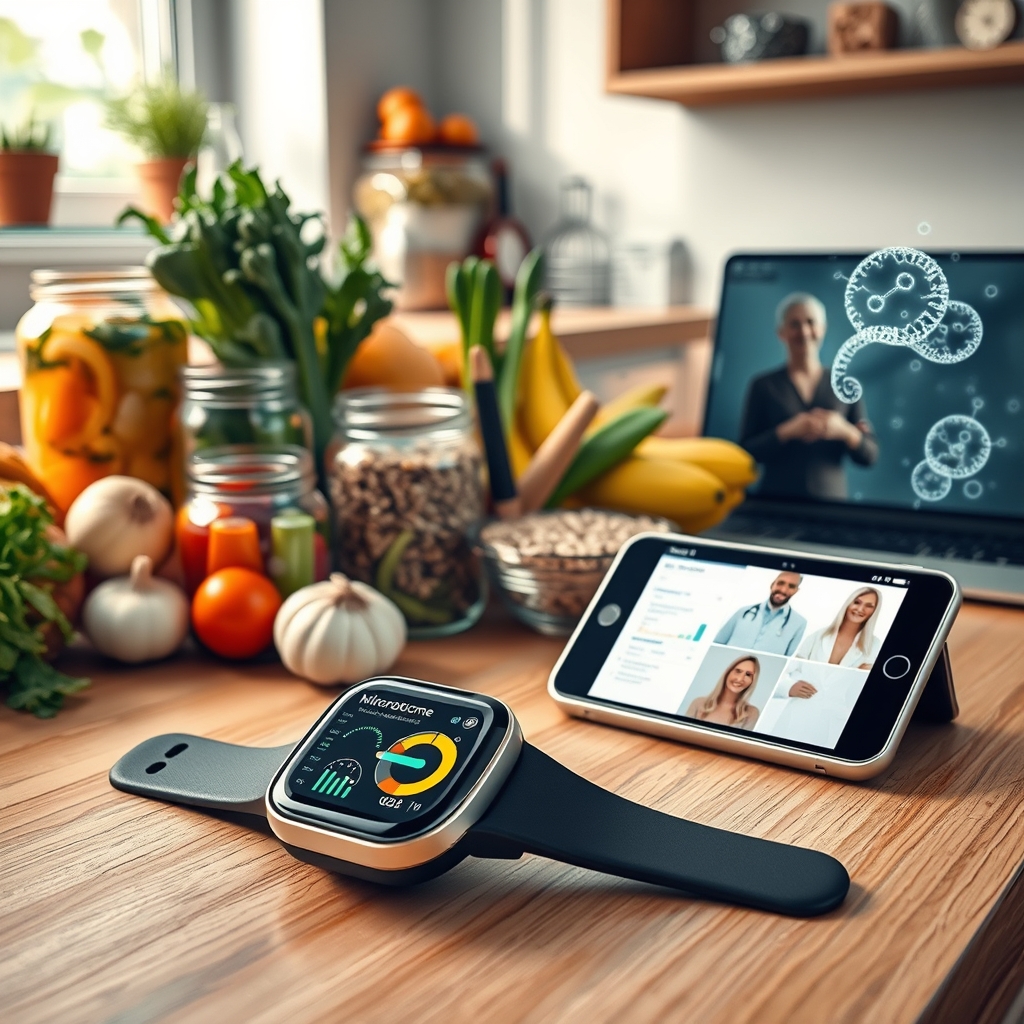
The intersection of digital health and nutritional science is unlocking new frontiers in immune support, with the gut microbiome emerging as a central player. Recent advancements in health informatics and personalized medicine are revealing how deeply our gut health influences immunity, metabolism, and even mental well-being. As researchers uncover the intricate connections between the trillions of microbes residing in our digestive system and our overall health, innovative tools and functional foods are stepping in to optimize this relationship.
The Gut Microbiome: A Cornerstone of Immune Health
The gut microbiome, a complex ecosystem of bacteria, viruses, fungi, and other microorganisms, is often referred to as the “second brain” due to its profound impact on bodily functions. Studies have shown that a balanced microbiome strengthens the immune system by enhancing the body’s ability to fend off pathogens, reducing inflammation, and even modulating responses to vaccines. Conversely, an imbalanced microbiome—often caused by poor diet, stress, or antibiotics—can lead to chronic inflammation, autoimmune disorders, and weakened immunity.
Emerging research highlights the role of specific microbial strains in immune regulation. For instance, Bifidobacterium and Lactobacillus species are known to stimulate the production of immune cells, while Akkermansia muciniphila has been linked to improved metabolic health and reduced inflammation. These discoveries are paving the way for targeted interventions that leverage functional foods and digital wellness tools to nurture a thriving microbiome.
Functional Foods: Nourishing the Microbiome
Functional foods—nutrient-rich ingredients that offer health benefits beyond basic nutrition—are at the forefront of microbiome optimization. Probiotics, prebiotics, and postbiotics are three key categories of functional foods that support gut health and, by extension, immune function.
Probiotics: Live Beneficial Bacteria
Probiotics are live microorganisms that, when consumed in adequate amounts, confer health benefits to the host. Fermented foods like yogurt, kefir, sauerkraut, and kimchi are natural sources of probiotics. These foods introduce beneficial bacteria into the gut, helping to restore balance and enhance immune responses. For those who prefer supplements, strains like Lactobacillus rhamnosus GG and Bifidobacterium lactis have been extensively studied for their immune-boosting properties.
Prebiotics: Fuel for Good Bacteria
Prebiotics are non-digestible fibers that serve as food for beneficial gut bacteria. Foods rich in prebiotics include garlic, onions, asparagus, bananas, and whole grains. By promoting the growth of healthy microbes, prebiotics help maintain a diverse and resilient microbiome. Recent studies suggest that prebiotics may also enhance the absorption of minerals like calcium and magnesium, further supporting immune function.
Postbiotics: The Next Frontier
Postbiotics are bioactive compounds produced by probiotic bacteria during fermentation. These include short-chain fatty acids (SCFAs) like butyrate, acetate, and propionate, which play a crucial role in reducing inflammation and strengthening the gut barrier. Postbiotics are found in fermented foods and can also be taken as supplements. Their stability and longer shelf life make them an attractive option for those looking to support their microbiome without the challenges of maintaining live cultures.
Digital Tools: Personalizing Gut Health
The rise of digital wellness platforms and wearable fitness trackers is making it easier than ever to monitor and optimize gut health. These tools provide real-time insights into how lifestyle choices—such as diet, sleep, and stress—impact the microbiome, enabling users to make data-driven decisions for better immune support.
Wearable Fitness Trackers and Health Informatics
Wearable devices like smartwatches and fitness bands are evolving beyond step counting and heart rate monitoring. Modern trackers now integrate with health informatics platforms to analyze data on sleep quality, stress levels, and even gut health markers. For example, some advanced wearables can detect changes in heart rate variability (HRV), which is often linked to gut-brain axis activity. By correlating HRV data with dietary habits, users can identify patterns that either support or disrupt their microbiome.
Telemedicine and Personalized Nutrition
Telemedicine is bridging the gap between patients and healthcare providers, offering personalized nutrition plans tailored to individual microbiome profiles. Through virtual consultations, dietitians and nutritionists can recommend functional foods and supplements based on a person’s unique gut composition, as revealed by at-home microbiome testing kits. These kits, which analyze stool samples for microbial diversity and abundance, provide actionable insights that empower individuals to take control of their immune health.
Agentic Health Technology: The Future of Gut Optimization
Agentic health technology—AI-driven platforms that act autonomously to improve health outcomes—is poised to revolutionize gut microbiome optimization. These systems use machine learning algorithms to analyze vast datasets, including microbiome profiles, dietary habits, and lifestyle factors, to deliver hyper-personalized recommendations. For instance, an AI-powered app might suggest a specific probiotic strain or functional food based on a user’s recent stress levels, sleep patterns, and dietary intake. By continuously learning and adapting, agentic health technology ensures that recommendations evolve alongside the user’s changing needs.
Mind-Body Practices: Supporting Gut-Immune Harmony
The gut-brain axis—a bidirectional communication network between the gut and the central nervous system—highlights the importance of mind-body practices in maintaining a healthy microbiome. Chronic stress, anxiety, and poor sleep can disrupt gut microbial balance, leading to inflammation and weakened immunity. Incorporating practices like mindfulness meditation, yoga, and deep-breathing exercises can help regulate the gut-brain axis, fostering a harmonious environment for beneficial microbes to thrive.
Research has shown that mindfulness-based stress reduction (MBSR) programs can increase microbial diversity and reduce markers of inflammation. Similarly, yoga has been linked to improved gut motility and reduced symptoms of irritable bowel syndrome (IBS). By integrating these practices into daily routines, individuals can create a supportive environment for their microbiome, enhancing both immune function and overall well-being.
As the fields of digital health and nutritional science continue to converge, the potential for optimizing immune support through the gut microbiome is vast. Functional foods, wearable fitness trackers, telemedicine, and agentic health technology are empowering individuals to take a proactive approach to their health. By nurturing the gut with the right nutrients, leveraging data-driven insights, and adopting mind-body practices, we can unlock the full potential of our microbiome and build a stronger, more resilient immune system. The journey to better health begins in the gut, and with the right tools and knowledge, we can all take steps toward a brighter, healthier future.