
The Intersection of Wearable Fitness Trackers and Functional Foods: A New Paradigm for Cardiovascular Wellness
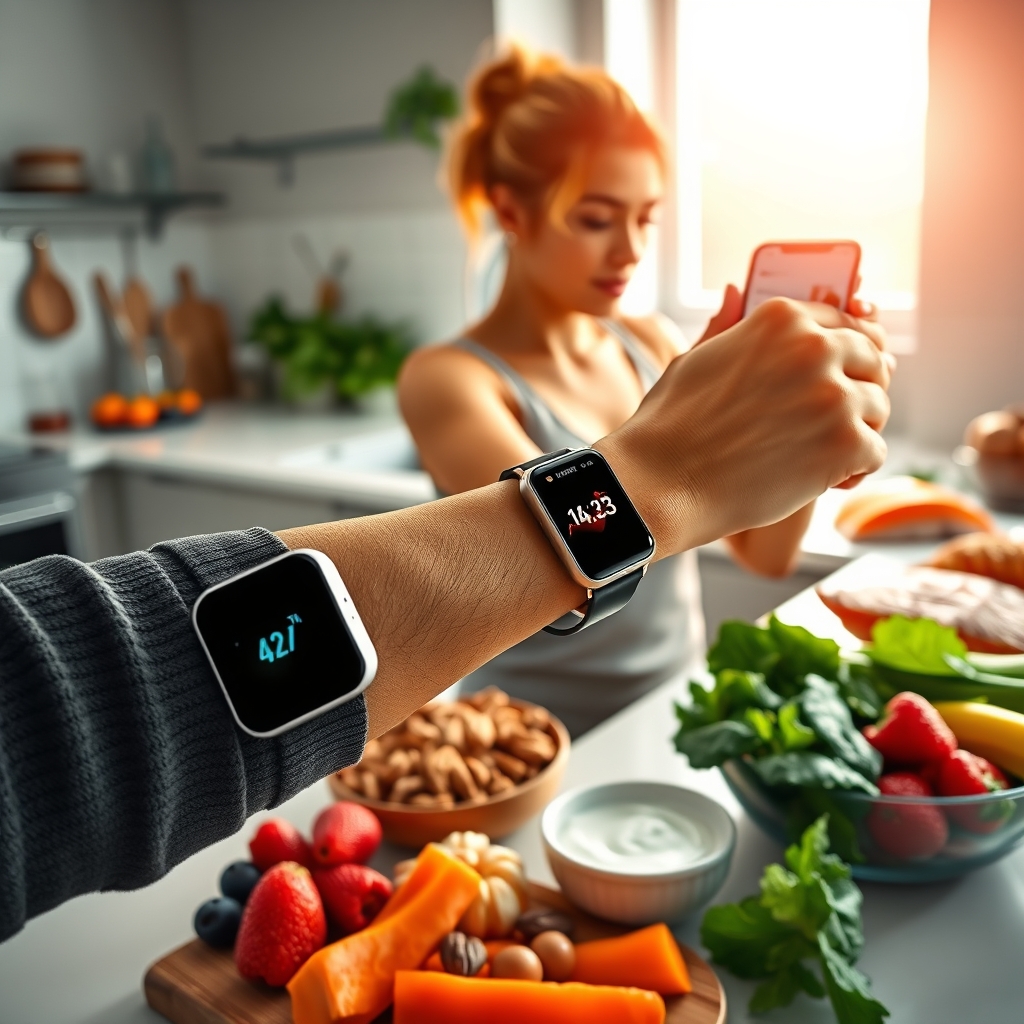
In an era where technology and health increasingly intertwine, the convergence of wearable fitness trackers and functional foods is emerging as a powerful force in preventive care. This synergy is not just about monitoring steps or counting calories—it’s about creating a dynamic, data-driven approach to cardiovascular wellness that empowers individuals to take control of their health in real time. By leveraging the insights from wearables and the targeted benefits of functional foods, a new paradigm of personalized, proactive health is taking shape.
The Evolution of Wearable Fitness Trackers
Wearable fitness trackers have come a long way from their humble beginnings as simple pedometers. Today, these devices are sophisticated health hubs, capable of monitoring heart rate, sleep patterns, oxygen saturation, and even stress levels. Advanced models now incorporate electrocardiogram (ECG) functionality, irregular heart rhythm notifications, and blood pressure tracking, providing users with a comprehensive view of their cardiovascular health. The data collected by these wearables is not just informative—it’s actionable, offering real-time feedback that can guide lifestyle choices and interventions.
What makes these devices truly revolutionary is their ability to integrate with other health technologies. Many wearables now sync with telemedicine platforms, allowing healthcare providers to access patient data remotely and offer personalized recommendations. This connectivity bridges the gap between daily habits and clinical care, making preventive health more accessible and effective than ever before.
The Role of Functional Foods in Cardiovascular Health
While technology provides the data, functional foods offer the biological tools to act on it. Functional foods are those that go beyond basic nutrition to provide specific health benefits, often through the inclusion of bioactive compounds like omega-3 fatty acids, polyphenols, and probiotics. For cardiovascular wellness, foods like oats, fatty fish, berries, nuts, and dark leafy greens have been shown to support heart health by reducing inflammation, improving cholesterol levels, and enhancing endothelial function.
The gut microbiome, a key player in metabolic and cardiovascular health, is also influenced by functional foods. Fermented foods like yogurt, kefir, and kimchi introduce beneficial bacteria that can improve gut health, which in turn may lower the risk of heart disease. The connection between the gut and the heart is a growing area of research, and functional foods are at the forefront of this exploration, offering a natural and sustainable way to support long-term wellness.
Personalized Nutrition Meets Wearable Data
The true potential of this intersection lies in personalization. Wearable fitness trackers generate a wealth of data about an individual’s activity levels, heart rate variability, and even glucose responses. When this data is combined with insights into dietary habits, it becomes possible to tailor functional food recommendations to an individual’s unique needs. For example, someone with elevated resting heart rate might benefit from foods rich in magnesium and potassium, such as spinach and bananas, while another person with high stress levels could focus on adaptogenic foods like turmeric and ashwagandha.
This level of personalization is not just theoretical—it’s already happening. Health platforms are beginning to integrate wearable data with nutrition apps, creating dynamic meal plans that adapt based on real-time health metrics. Imagine receiving a notification from your wearable suggesting a snack rich in antioxidants after detecting elevated stress levels, or a meal high in fiber to support gut health after a period of inactivity. This is the future of preventive care: a seamless blend of technology and nutrition that puts the power of health in the hands of the individual.
The Science Behind the Synergy
The relationship between wearable fitness trackers and functional foods is rooted in the principles of metabolic health and preventive care. Metabolic health, which encompasses factors like blood sugar levels, blood pressure, and cholesterol, is a critical determinant of cardiovascular wellness. Wearables provide continuous monitoring of these metrics, while functional foods offer a natural way to optimize them. For instance, foods rich in soluble fiber, such as oats and legumes, can help regulate blood sugar and cholesterol levels, reducing the risk of metabolic syndrome—a cluster of conditions that increase the risk of heart disease.
Research also supports the idea that small, consistent changes—like those guided by wearable data—can have a profound impact on long-term health. A study published in the Journal of the American Heart Association found that individuals who used wearable devices to monitor their physical activity and heart rate were more likely to engage in heart-healthy behaviors, such as regular exercise and balanced nutrition. When these behaviors are paired with functional foods, the effects are amplified, creating a holistic approach to cardiovascular wellness.
Overcoming Challenges and Embracing the Future
Despite the promise of this synergy, challenges remain. One of the biggest hurdles is data overload—wearables generate vast amounts of information, and not all users know how to interpret or act on it. This is where health informatics and agentic health technology come into play. These fields focus on making data more accessible and actionable, using artificial intelligence to provide personalized insights and recommendations. For example, AI-driven apps can analyze wearable data to identify patterns and suggest dietary adjustments, such as increasing omega-3 intake to support heart health.
Another challenge is ensuring that functional foods are accessible and appealing to a broad audience. While foods like salmon and blueberries are well-known for their health benefits, they may not be part of everyone’s diet due to cost, availability, or cultural preferences. Innovations in food science, such as fortified foods and plant-based alternatives, are helping to bridge this gap, making functional nutrition more inclusive and sustainable.
As we look to the future, the integration of wearable fitness trackers and functional foods will continue to evolve, driven by advancements in technology and a deeper understanding of human biology. The goal is not just to treat illness but to prevent it, by empowering individuals with the tools and knowledge they need to make informed decisions about their health. This is more than a trend—it’s a fundamental shift in how we approach wellness, one that prioritizes personalization, prevention, and the seamless integration of technology and nutrition. The journey to optimal cardiovascular health is no longer a one-size-fits-all path; it’s a dynamic, data-driven experience that adapts to the unique needs of each individual, offering a roadmap to a healthier, more vibrant life.



